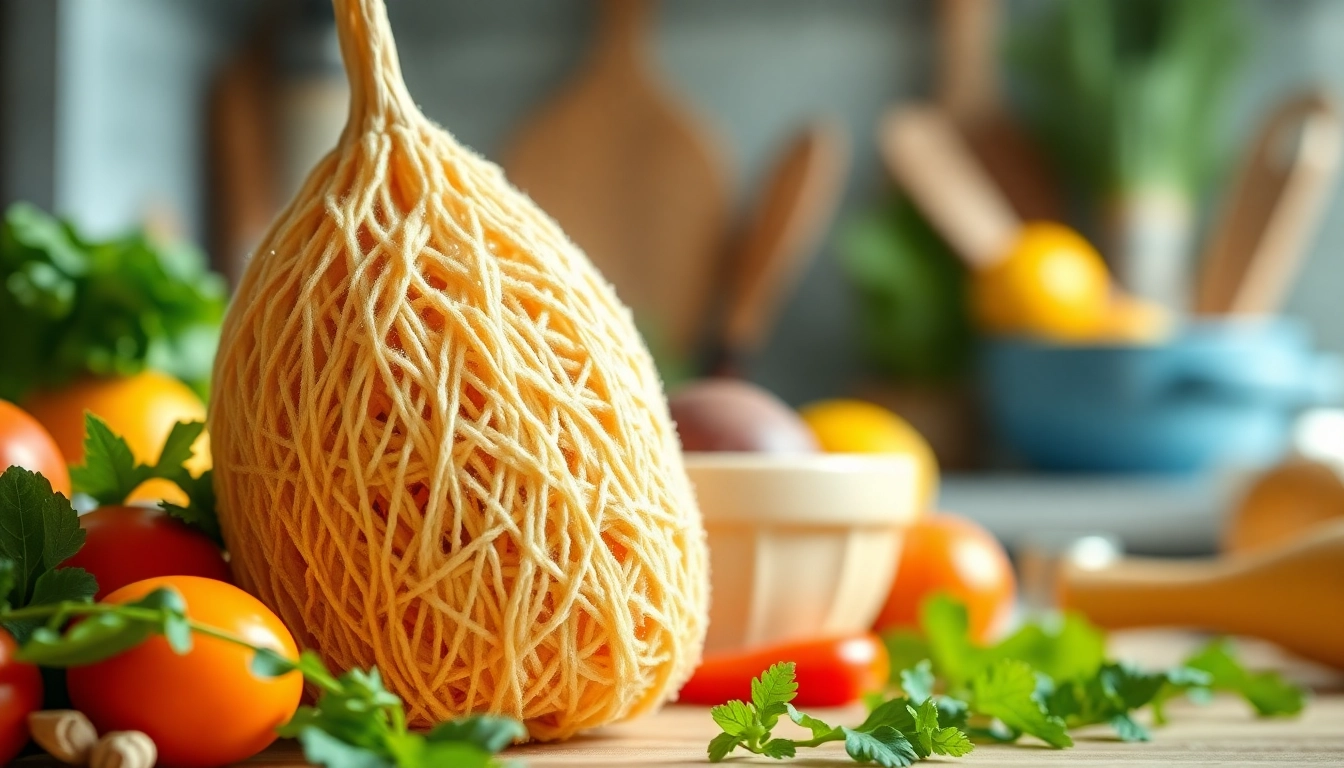
Understanding Kitchen Loofah Benefits
In recent years, the kitchen loofah has gained popularity as a sustainable alternative for cleaning and scrubbing in the kitchen. Offering numerous kitchen loofah benefits, these natural sponges not only enhance our cleaning routines but also positively impact our health and the environment. In this comprehensive guide, we will explore the multifaceted advantages of kitchen loofahs, encompassing their natural properties, health benefits, practical applications, selection criteria, and much more.
What is a kitchen loofah?
A kitchen loofah is derived from the fibrous interior of the loofah gourd, a member of the cucumber family. When dried and processed, the gourd transforms into a natural sponge. Known for its rough texture, the kitchen loofah is an excellent tool for scrubbing and cleaning a variety of surfaces in the kitchen, including pots, pans, and countertops. This natural sponge can be an eco-friendly and effective alternative to synthetic sponges and scrubbers, offering a biodegradable solution to kitchen cleaning.
Natural vs. synthetic loofahs
While natural loofahs are made from the dried fibrous material of loofah gourds, synthetic loofahs are typically produced using plastic or other non-biodegradable materials. The primary distinction lies in their environmental impact and durability. Natural kitchen loofahs are compostable and contribute to a sustainable lifestyle, while synthetic versions may last longer but can contribute to plastic pollution. This makes natural loofahs a preferable choice for eco-conscious consumers seeking to reduce their environmental footprint.
How loofahs fit in eco-friendly kitchens
Incorporating kitchen loofahs into an eco-friendly kitchen setup is a proactive step towards sustainability. These sponges are entirely biodegradable, meaning that once they reach the end of their life cycle, they won’t contribute to landfill waste. Moreover, using a kitchen loofah encourages an organic cleaning routine devoid of harsh chemicals, as they effectively remove grime and stains naturally. When paired with vinegar or baking soda, kitchen loofahs elevate your cleaning game while supporting environmental conservation.
Health Benefits of Using Kitchen Loofahs
Skin care advantages
While kitchen loofahs are commonly associated with cleaning dishes and kitchen surfaces, they also provide notable benefits for skin health. The rough texture of natural loofahs makes them excellent for exfoliation, helping to remove dead skin cells and promote circulation. Regular exfoliation with a kitchen loofah can lead to smoother, healthier skin, making them a versatile addition to both cooking and personal care routines. When used gently, they can enhance skin texture while avoiding irritation often associated with synthetic scrubbers.
Reducing bacteria in the kitchen
One of the significant benefits of using kitchen loofahs is their ability to reduce bacteria in kitchen environments. Studies have shown that when properly maintained, natural loofahs can help limit bacterial growth, which is vital for maintaining a hygienic cooking space. By scrubbing surfaces with a kitchen loofah, you can effectively remove food particles and other contaminants, thereby minimizing health risks associated with bacteria like E. coli or Salmonella. However, it's crucial to ensure that loofahs are regularly cleaned and dried to maximize their effectiveness in maintaining hygiene.
Eco-friendly cleansing options
Kitchens are often filled with various cleaning agents, many of which are laden with harmful chemicals. By using a kitchen loofah coupled with natural cleaning solutions like vinegar or baking soda, you can create an eco-friendly cleaning atmosphere. Not only does this reduce chemical exposure for both you and the environment, but it also encourages a more holistic approach to cleaning. Consumers can achieve effective results without resorting to harsh chemicals that could potentially harm their health or the ecosystem.
Practical Uses of Kitchen Loofahs
Cooking and food prep applications
Kitchen loofahs are not just for cleaning; they have various practical applications in food preparation. Their porous structure makes them excellent for scrubbing fruits and vegetables, effectively removing dirt and pesticides without damaging the produce. When preparing dishes, a kitchen loofah can be an invaluable tool for cleaning hard-skinned vegetables like potatoes or cucumbers, ensuring that your meals are clean and safe for consumption. This multi-functionality enhances both the cleanliness and the enjoyment of cooking.
Cleaning various kitchen surfaces
One of the most common uses of kitchen loofahs is for cleaning surfaces. Their sturdy, textured material allows them to tackle tough stains on countertops, stovetops, and even sinks. When paired with different natural cleaning agents, kitchen loofahs can help break down grease, grime, and food debris efficiently. Unlike traditional sponges that may harbor bacteria and odors, loofahs do not retain moisture as easily, making them less prone to developing unpleasant smells or mold.
Organizing and decorating kitchens
Beyond their cleaning capabilities, kitchen loofahs can also contribute to the aesthetic of your kitchen. These natural sponges can be used creatively as decorative elements, such as in a DIY kitchen centerpiece or as part of a rustic decor theme. Hanging loofahs on hooks or arranging them in a decorative bowl can enhance the visual appeal of a kitchen while showcasing a commitment to eco-friendly practices. Their unique texture and earthy tone can provide a warm, inviting atmosphere in any kitchen setting.
Choosing the Right Kitchen Loofah
Factors to consider when selecting a loofah
When choosing a kitchen loofah, consider factors such as texture, size, and intended use. A firmer loofah is better suited for tougher scrubbing tasks, while a softer one may be ideal for delicate surfaces. Additionally, selecting an appropriately sized loofah ensures ease of handling and efficiency during cleaning. It’s also essential to look for organic and sustainably sourced loofahs to ensure that your cleaning solutions align with eco-friendly principles.
Different types of kitchen loofahs and their uses
Kitchen loofahs come in various forms, including pads, sponges, and exfoliating cloths. Pads are typically flatter and more flexible, making them ideal for scrubbing flat surfaces. Sponges provide a more rounded cleaning option suitable for pots and bowls with curved sides. Exfoliating loofah cloths can also serve double duty as cleaning tools and bath accessories. Discovering which type works best for your individual needs can optimize your cleaning routine.
Maintenance tips for longevity
To get the most out of your kitchen loofah, proper maintenance is key. After each use, rinse the loofah thoroughly to remove food particles and soap residue. Periodically soak it in a solution of vinegar and water or bleach for deeper cleansing. It's also vital to ensure that your loofah dries completely after each use. Hanging it in a well-ventilated area helps prevent mildew and prolongs its lifespan. By following these maintenance tips, you can maximize the durability and effectiveness of your kitchen loofah.
FAQs about Kitchen Loofah Benefits
Are kitchen loofahs hygienic?
Yes, when cleaned regularly, kitchen loofahs are hygienic and can prevent bacteria growth.
How long do loofahs last?
With proper care, a kitchen loofah can last several weeks to months, depending on usage and maintenance.
Can kitchen loofahs be composted?
Yes, natural loofahs are biodegradable and can be composted at the end of their life cycle.
Are loofahs effective for scrubbing?
Yes, their rough texture makes them great for scrubbing pots and pans, effectively removing stubborn stains.
How do I clean my kitchen loofah?
Rinse and soak in vinegar or a bleach solution, then air dry to keep it clean and fresh for future use.