
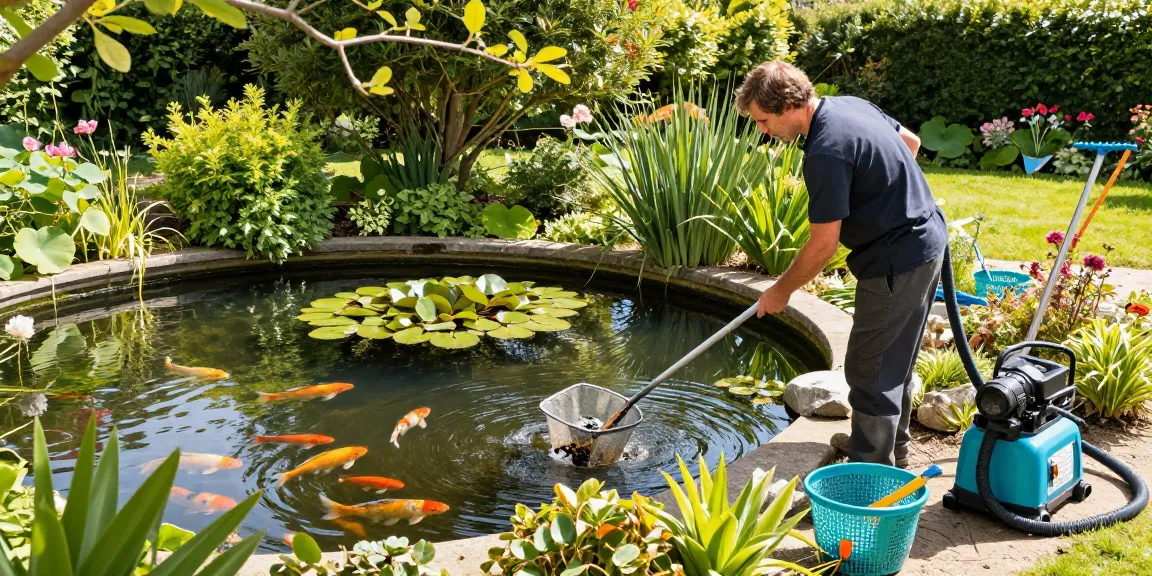
Understanding Pond Maintenance Needs
Pond maintenance is a vital aspect of maintaining a healthy aquatic ecosystem and ensuring that your outdoor space is both functional and aesthetically pleasing. Many homeowners may not realize how crucial regular cleaning is to the overall health of their ponds. Regular maintenance prevents algae overgrowth, controls debris accumulation, and ensures a balanced environment for aquatic life. For those considering expert help, Professional Pond Cleaning Sussex offers tailored solutions to keep your pond in optimal condition.
What Makes Professional Pond Cleaning Essential?
Professional pond cleaning is essential for several reasons. Firstly, a well-maintained pond promotes healthy fish and plant life, which rely on a balanced ecosystem. Over time, ponds can accumulate organic debris, resulting in poor water quality that can harm aquatic organisms. Additionally, if left unattended, the growth of invasive plants and algae can create an unsightly and unpleasant environment. Professional cleaners not only possess the experience to tackle these issues effectively but also have access to specialized equipment that can enhance the cleaning process.
Identifying Common Pond Issues
Recognizing potential problems early is key to effective pond maintenance. Some common issues include:
- Algae Blooms: Rapid growth can block sunlight and deplete oxygen levels.
- Debris Accumulation: Leaves and other organic matter can decay, disrupting the ecological balance.
- Water Clarity: Cloudy water often indicates underlying issues that require immediate attention.
- Unpleasant Odors: Foul smells can result from stagnant water or decaying waste.
Addressing these problems promptly can save you time and money in the long run.
Benefits of Regular Pond Maintenance
Engaging in regular pond maintenance offers numerous benefits, including:
- Improved Water Quality: Regular cleaning helps maintain a balanced ecosystem.
- Enhanced Aesthetic Appeal: A clean pond is visually appealing and can elevate your outdoor space.
- Increased Longevity: Proper care can extend the life of your pond and its features.
- Healthier Ecosystem: Support a diverse range of aquatic life with a clean environment.
Choosing the Right Pond Cleaning Service
When it comes to selecting a pond cleaning service, you want to ensure you hire professionals who can cater to your specific needs. Not all pond cleaners offer the same level of service or expertise. It helps to research and compare several options to find the best fit for your pond maintenance needs.
Factors to Consider When Hiring Professionals
Consider the following factors when choosing a pond cleaning service:
- Experience: Look for companies with a proven track record and years of experience in pond management.
- Services Offered: Ensure they provide a comprehensive range of maintenance options, including cleaning, algae control, and water quality testing.
- Certifications: Verify that the service is certified and adheres to industry standards.
- Customer Reviews: Check online reviews and testimonials to gauge customer satisfaction.
Questions to Ask Your Pond Cleaner
It’s crucial to ask the right questions before hiring a pond cleaning service. Here are some inquiries to consider:
- What cleaning methods do you use, and how do they ensure the health of the pond?
- Can you provide references from previous clients?
- Do you offer any guarantees on your work?
- What kind of maintenance schedule do you recommend?
Comparing Prices and Services in Sussex
While price shouldn’t be your only consideration, it can provide insight into the quality and range of services offered. Gather quotes from multiple providers in Sussex, ensuring they outline the services included. This way, you can compare the costs and choose a service that fits both your budget and your pond’s needs.
Techniques Used in Professional Pond Cleaning
Understanding the techniques used in professional pond cleaning can help homeowners appreciate the importance of these services. Each method plays a role in maintaining a thriving aquatic environment.
Overview of Common Cleaning Methods
Common pond cleaning methods include:
- Manual Cleaning: Removing debris and excess vegetation by hand.
- Power Washing: Utilizing high-pressure water jets to remove stubborn algae and dirt.
- Vacuuming: Specialized pond vacuums can effectively remove sludge and sediment from the bottom.
Innovative Tools and Equipment
With advancements in technology, the tools used for pond cleaning have also evolved. Modern cleaners may use:
- Robotic Cleaners: Automated devices that can clean the pond floor without manual intervention.
- Ultraviolet Clarifiers: Devices that help eliminate algae and clear water through UV light.
- Sonar Technology: Used to monitor pond health by assessing fish populations and aquatic plant growth.
Environmental Considerations in Pond Care
Environmental sustainability is a growing concern in pond maintenance. Professionals should use eco-friendly products and techniques that do not harm aquatic life or disrupt natural ecosystems. Understanding the impact of different cleaning methods can help in making eco-conscious decisions.
Steps for Effective Pond Cleaning
To ensure a successful pond cleaning, following a systematic approach is essential. This includes preparation, the cleaning process itself, and post-cleaning maintenance.
Preparation Before the Cleaning Process
Before embarking on cleaning, take the following preparatory steps:
- Assess the Pond: Identify the main issues and decide whether professional help is needed.
- Remove Fish and Plants: Safely relocate fish and sensitive plants to temporary habitats.
- Gather Necessary Tools: Ensure you have all required tools and equipment ready for cleaning.
Post-Cleaning Maintenance Tips
Once cleaning is complete, ongoing maintenance is essential. Here are some tips:
- Regular Monitoring: Keep an eye on water clarity and quality using test kits.
- Scheduled Cleanings: Establish a routine to ensure your pond remains clean and healthy.
- Limit Fish Feed: Overfeeding can increase waste, leading to water quality issues.
Seasonal Pond Care Best Practices
Each season presents unique challenges for pond care. Adapting your maintenance routine accordingly can yield the best results. In spring, focus on debris removal and planting; during summer, monitor algae growth; fall is for preparing your pond for winter, and winter maintenance involves checking ice levels and preventing stagnation.
Future Trends in Pond Maintenance
As we move toward 2026, several emerging trends are shaping the future of pond maintenance, reflecting both technological advancements and a focus on sustainability.
Emerging Technologies in Pond Cleaning Services
The incorporation of smart technology into pond maintenance is on the rise. Expect to see more services offering:
- Smart Sensors: Devices that monitor water quality and send alerts when issues arise.
- Drone Surveys: Using drones for aerial assessments of pond health and size.
- Online Management Tools: Platforms that allow homeowners to schedule cleanings and track maintenance history.
The Role of Eco-friendly Products
As awareness of environmental impacts grows, the use of eco-friendly cleaning products will likely become more prevalent. Services that prioritize natural cleaning solutions help to protect aquatic habitats.
Predictions for Pond Care Innovations by 2026
Looking ahead, innovations in pond care may include:
- Bioremediation Techniques: Utilizing microorganisms to clean polluted water naturally.
- Genetic Engineering: Development of algae-resistant aquatic plant species.
What Is Involved in Full Pond Restoration?
Should your pond require more than cleaning, full restoration involves a comprehensive assessment and potential reconstruction of the ecosystem. This may include:
- Rebuilding the Pond Structure: Repairing banks and ensuring proper drainage.
- Restocking Aquatic Life: Introducing native fish and plants to restore balance.
- Improving Water Flow: Adjusting water features to enhance circulation and oxygenation.
How Long Does Professional Pond Cleaning Take?
The duration of professional pond cleaning varies based on the size and condition of the pond. Typically, a standard cleaning session can take anywhere from a few hours to a full day. Larger ponds with significant buildup may require extended periods or multiple visits.
Can I Clean My Pond Myself?
While some homeowners may opt to clean their ponds independently, it’s essential to weigh the benefits of professional help against the effort involved. If the pond has extensive damage or ecological issues, hiring experts is recommended to ensure proper care and avoid potential mishaps.
What Are the Signs My Pond Needs Professional Help?
Identifying signals that your pond requires professional intervention includes:
- Consistent algae blooms.
- Poor water clarity.
- Odors indicating decay.
- Unhealthy or dying fish.