
Understanding Types of Refrigerators
When it comes to choosing the right appliance to keep your food and beverages fresh, a wide variety of options exist within the refrigerator market. Understanding the key types of refrigerators can help you make an informed decision that suits your lifestyle and kitchen design.
Top-Freezer Refrigerator Features
Top-freezer refrigerators have been a staple in kitchens for decades, combining classic design with functionality. They consist of a refrigerator compartment on the bottom and a freezer section above. This layout is particularly space-efficient and allows for easy access to frequently-used items without bending down.
Some prominent features include:
- Energy Efficiency: Many modern top-freezer models boast energy-efficient technology, saving you money on utility bills.
- Interior Organization: Adjustable shelving and door bins provide customizable storage that can accommodate various item sizes.
- Cost-Effectiveness: Generally, top-freezer refrigerators are among the most affordable options on the market.
French Door Refrigerator Benefits
French door refrigerators are revolutionizing kitchen design with their stylish appearance and innovative features. These models offer a wide refrigerator section at eye-level and pull-out freezer drawers below, combining convenience and modern aesthetics.
The benefits include:
- Stunning Design: With customizable finishes and configurations, French door refrigerators can match a variety of kitchen decor styles.
- Space Efficiency: Dual doors allow for easy access to fresh produce, while maximizing usable space within.
- Additional Features: Many come equipped with specialized compartments for produce and meats, water dispensers, and smart technology.
Side-by-Side Refrigerator Overview
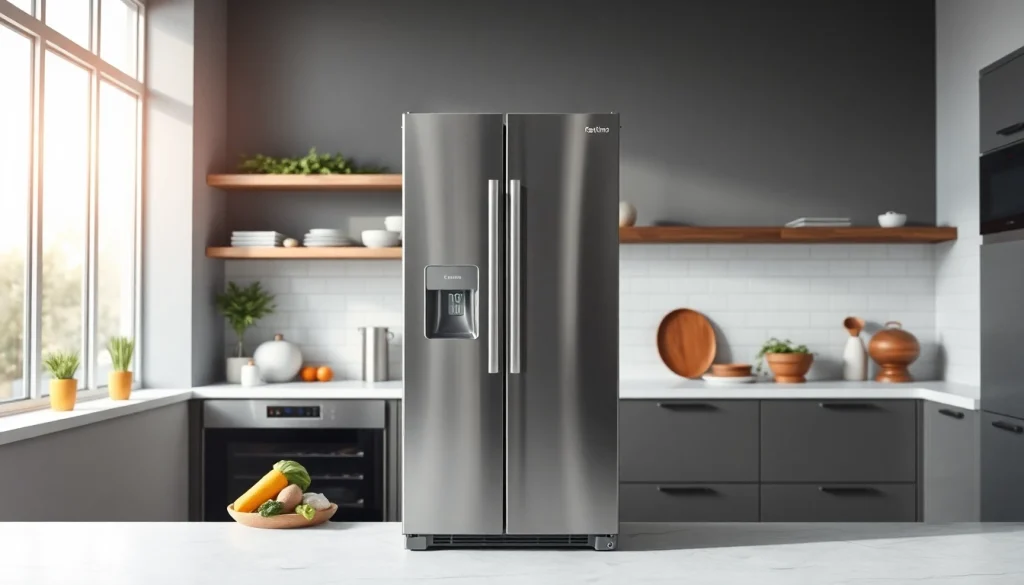
Side-by-side refrigerators provide a unique configuration, with the refrigerator and freezer sections vertically adjacent to each other. This design is ideal for smaller spaces where swinging doors might be impractical.
Notable features include:
- Vertical Storage: Allows for easier access to both refrigerated and frozen items without needing to bend down.
- External Dispensers: Conveniently integrated water and ice dispensers save time and hassle.
- Organizational Options: Multiple shelves and bins facilitate better organization and accessibility.
Key Features to Look For in a Refrigerator
When selecting a refrigerator, it’s crucial to consider specific features that significantly impact usability and efficiency.
Energy Efficiency Ratings Explained
Energy efficiency is essential for reducing long-term costs and minimizing the environmental impact of your refrigerator. Look for models that have the Energy Star label, which signifies a unit meets strict energy efficiency guidelines.
Storage Capacity Considerations
Determine your family’s needs based on how much food you typically store. Refrigerators come in various capacities ranging from compact models to large family-sized units. It’s advisable to measure your kitchen space and select a size that complements your lifestyle while leaving room for ease of movement.
Smart Refrigerator Technologies
As technology advances, refrigerators are becoming smarter. Features such as Wi-Fi connectivity and integrated touch screens allow for real-time monitoring, temperature adjustments, and even food tracking, helping to reduce waste and streamline grocery shopping.
How to Properly Maintain Your Refrigerator
Proper maintenance will ensure that your refrigerator operates effectively and lasts for many years.
Regular Cleaning Tips
To maintain hygiene and efficiency, clean your refrigerator regularly:
- Wipe Down Surfaces: Clean the inside and outside with a mild detergent every month to prevent odors.
- Check for Spoiled Food: Regularly remove expired items to keep your refrigerator running smoothly.
- Vacuum the Coils: Clean the coils located at the back or beneath the unit every six months to maintain efficiency.
Common Troubleshooting Issues
If your refrigerator isn’t cooling adequately, it could be due to various reasons. Check door seals, inspect the thermostat settings, and ensure that there’s adequate airflow around the unit to address common issues.
When to Call a Professional
If troubleshooting does not resolve persistent issues, such as strange noises, leaks, or cooling problems, it’s wise to consult a professional to diagnose and repair the appliance. Waiting too long might lead to more extensive damage.
Budgeting for Your New Refrigerator
Understanding the costs associated with purchasing a refrigerator is vital for effective budgeting.
Understanding Price Ranges
Prices for refrigerators can vary significantly based on size, type, and brand. Here’s a general breakdown:
- Top-Freezer: $500 – $1,500
- Side-by-Side: $800 – $2,500
- French Door: $1,500 – $4,000+
Financing Options Available
In some cases, retailers offer financing plans that allow consumers to pay over time. This may be especially useful for higher-end models. Always read the fine print to understand interest rates and terms before signing up.
Cost of Accessories and Maintenance
Consider budgeting not just for the initial purchase, but also for additional costs that may include replacement filters, water connections, and regular maintenance checks.
FAQs About Refrigerators
What Size Refrigerator Do I Need?
The size depends on your kitchen space, family size, and food storage needs. Measure the area before purchase for an accurate fit.
How Much Energy Does a Refrigerator Use?
On average, refrigerators consume about 100 to 800 kWh a year, depending on size and efficiency. Check the Energy Guide label for specific usage data.
Can I Place a Refrigerator Outside?
While some refrigerators can be used outdoors, it’s crucial they are rated for outdoor use to withstand temperature extremes and moisture.
How Long Do Refrigerators Typically Last?
Most refrigerators last between 10 to 20 years, depending on the model and how well they are maintained.
What is the Best Temperature Setting for My Refrigerator?
The ideal temperature for a refrigerator is between 35°F and 38°F to keep food fresh without freezing items.