
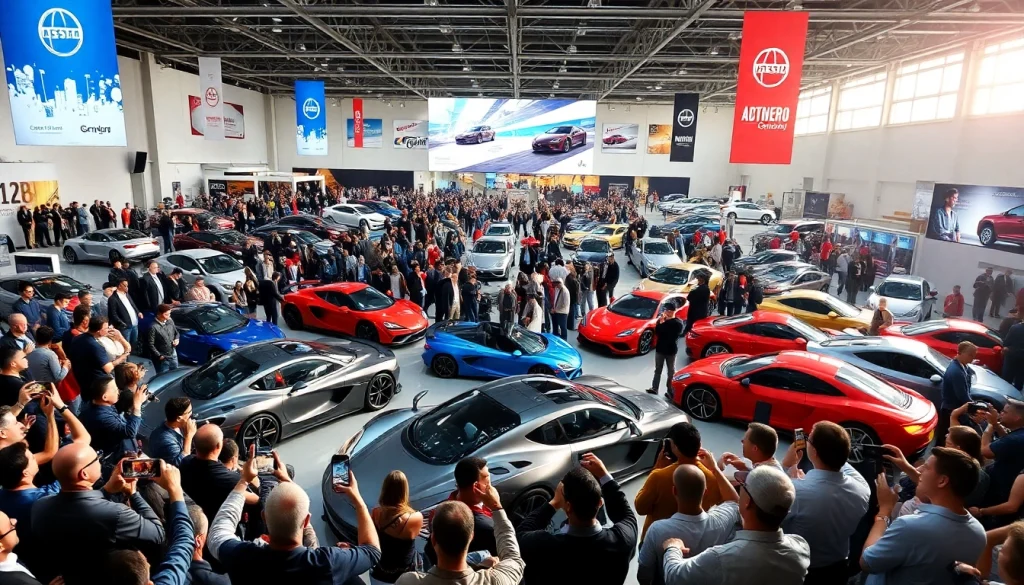
Introduction to Auto Cars Show
The Auto Cars Show serves as a vibrant showcase for automotive innovation, design, and technology, bringing together a diverse audience of car enthusiasts and industry professionals alike. These events are not merely exhibitions; they create a dynamic space where businesses and consumers converge, facilitating interactions that can influence the future of mobility.
What is the Auto Cars Show?
The Auto Cars Show refers to a series of automotive exhibitions held in various locations around the globe, displaying the latest models, technological advancements, and innovations from the automotive industry. These shows often feature a plethora of activities, from showcasing new car designs to providing immersive experiences for attendees. Visitors not only get to see vehicles from different manufacturers but also have the opportunity to engage with experts who can provide insights into the features and capabilities of these vehicles.
History and Evolution of Auto Cars Shows
Auto shows have a rich history dating back to the early 20th century. The inaugural event that could be termed an auto show took place in Paris in 1898. Over the years, these exhibitions evolved dramatically, reflecting technological advancements and shifts in consumer preferences. The advent of electric vehicles, hybrid technology, and autonomous driving systems have all influenced the themes and showcases at these events.
Today, major auto shows like the Detroit Auto Show and the Geneva International Motor Show are considered benchmarks in the industry, often unveiling groundbreaking technology and the latest automotive trends. As consumer interests have shifted toward sustainability and electric mobility, these shows have adapted by featuring more eco-friendly vehicles and innovations.
Importance of Auto Cars Show for Car Enthusiasts
For car enthusiasts, attending an Auto Cars Show is akin to visiting a cultural festival. It’s an opportunity to experience the latest models up close, participate in test drives, and attend seminars hosted by industry leaders. The sense of community among fellow car lovers fosters discussions and networking opportunities, which can be invaluable for both hobbyists and professionals.
Moreover, auto shows allow attendees to be part of the conversation about the future of transportation. By showcasing advancements like connected cars and autonomous vehicles, these events educate consumers and spark interest and understanding of new technologies.
Key Highlights of Auto Cars Show
Featured Models and Innovations
One of the main attractions of any Auto Cars Show is the opportunity to view a wide array of vehicles, from luxury cars to compact models and everything in between. Manufacturers typically debut their concept cars alongside mainstream models, giving attendees a glimpse into the future of automotive design.
Features such as electric powertrains and autonomous driving technology are often highlights, as automakers seek to demonstrate their commitment to sustainability and innovation. The use of augmented reality (AR) and virtual reality (VR) technologies at these shows has further transformed how attendees experience vehicles, allowing for interactive demonstrations that enhance understanding and engagement.
Interactive Experiences Available
In addition to the static displays of vehicles, many Auto Cars Shows offer interactive experiences designed to engage attendees more deeply. These can include hands-on workshops where participants can learn about the technology behind electric or hybrid engines, as well as ride-and-drive events that allow potential buyers to test out vehicles on-site.
Many shows incorporate elements like simulators for virtual driving experiences, offering a taste of how emerging technologies like autonomous systems will shape the driving experience. These interactive components not only entertain but also educate attendees about vehicle safety features and efficiency technologies.
Special Events and Guest Appearances
Special events at the Auto Cars Show may include presentations from industry leaders, panel discussions, and question-and-answer sessions where attendees can engage with experts. Guest appearances by celebrities and automotive influencers often draw large crowds, further enhancing the show’s visibility and appeal.
Many shows also host award ceremonies recognizing outstanding innovations in design and technology, accentuating the competitive spirit of the automotive industry and encouraging manufacturers to strive for excellence.
Planning Your Visit to Auto Cars Show
Tickets and Entry Requirements
Planning a visit to an Auto Cars Show requires some preparatory steps. Most shows will have specific entry requirements, including age limits, ticket pricing, and whether tickets can be purchased in advance or at the door. It’s always wise to check the show’s official website for the most recent information and to book tickets early, especially for renowned exhibitions with limited entry.
Best Times to Attend
Timing can significantly affect your experience at an auto show. Weekdays are generally less crowded, allowing for a more leisurely exploration of exhibits without the throng of weekend crowds. However, weekends often feature more special events and presentations. If your goal is to interact with representatives or attend seminars, planning your visit for mid-week may offer you more opportunities.
Transportation and Accommodation Tips
When planning your visit to an Auto Cars Show, consider your transportation options carefully. Many show venues are located in urban areas and are accessible via public transportation systems. Hotels and accommodations nearby can fill up quickly, particularly around major shows, so it’s advisable to book your stay early. Additionally, consider using ride-sharing services or local taxis to avoid parking hassles.
The Impact of Auto Cars Show on the Automotive Industry
How Auto Cars Show Influences Car Buying Trends
Auto Cars Shows significantly influence consumer behavior and buying trends. By providing a platform where consumers can interact with new cars, gather information, and experience test drives, these shows often lead to a spike in interest and purchases. The excitement and visibility surrounding new model launches can shape market trends and consumer preferences, making auto shows critical for manufacturers.
Real-time feedback gathered during these events can inform manufacturers about consumer desires and concerns, which in turn guides their marketing strategies and product development. Numerous automakers actively engage with attendees to gauge reactions to new concepts and designs.
Networking Opportunities for Industry Professionals
For professionals in the automotive industry, auto shows serve as a networking haven. Exhibitors, suppliers, and manufacturers converge in one place, fostering business relationships that can lead to exciting collaborations. Workshops, seminars, and panel discussions present learning opportunities that keep industry players informed about market trends and technological advancements.
Investment discussions, partnerships for future projects, and innovations in the automotive supply chain are also common topics that emerge from these networking events. As the automotive landscape continues to evolve, the relationships forged at these shows will play a crucial role in shaping the industry’s future.
Latest Technological Advancements Showcased
Each Auto Cars Show acts as a launch pad for the latest automotive technologies. Innovations in electric vehicle batteries, advancements in artificial intelligence for smarter vehicles, and the emergence of new safety standards are all typically at the forefront of these events. Manufacturers regularly leverage these shows to unveil their latest research and development efforts, signaling their future direction to consumers and competitors alike.
The presentation of cutting-edge technologies not only captures attention but also deepens the dialogue regarding safety, sustainability, and the evolution of vehicle functionality. This aspect of auto shows ensures that attendees leave with insights into where the automotive industry is headed in the next several years.
What to Expect in Future Auto Cars Shows
Predicted Trends in Future Events
The future of Auto Cars Shows is exciting, with several predicted trends that will shape upcoming events. The increasing focus on sustainability will likely result in a greater presence of electric and hybrid vehicles, with more automakers showcasing their ‘green’ initiatives and vehicles designed to reduce environmental impact. Additionally, as technology continues to develop rapidly, expect a focus on smart cars equipped with connectivity features that enhance user experiences.
Moreover, as virtual and augmented reality technologies become more mainstream, attendees may find enhanced interactive experiences at auto shows, with the ability to virtually see themselves in a vehicle or simulate driving it.
Innovations That Could Shape Upcoming Shows
Technological innovations will shape the future of Auto Cars Shows, particularly in terms of how exhibitors engage with their audience. The integration of AI to personalize attendee experiences, advanced analytics to track visitor behavior, and sophisticated mobile applications to guide attendees through the event are just a few examples of how shows might evolve.
In addition, the rise of the metaverse may facilitate virtual attendance at auto shows, making them accessible to a broader audience without geographical limits. This could significantly alter event dynamics, allowing for enhanced global participation and interaction.
Insight from Industry Experts
Feedback from industry experts indicates that future Auto Cars Shows will be increasingly aligned with global trends toward digitization and sustainability. Experts foresee a shift in focus towards technology that enhances user comfort and safety, urging manufacturers to prioritize these aspects in their future presentations.
The rise of electric and self-driving technologies is anticipated to shape the narrative of automotive shows moving forward, emphasizing the importance of innovation that aligns with consumer values and societal needs. As exhibitors navigate these changes, they will not only showcase their latest models but also demonstrate their commitment to addressing global challenges such as environmental sustainability and urban mobility.