
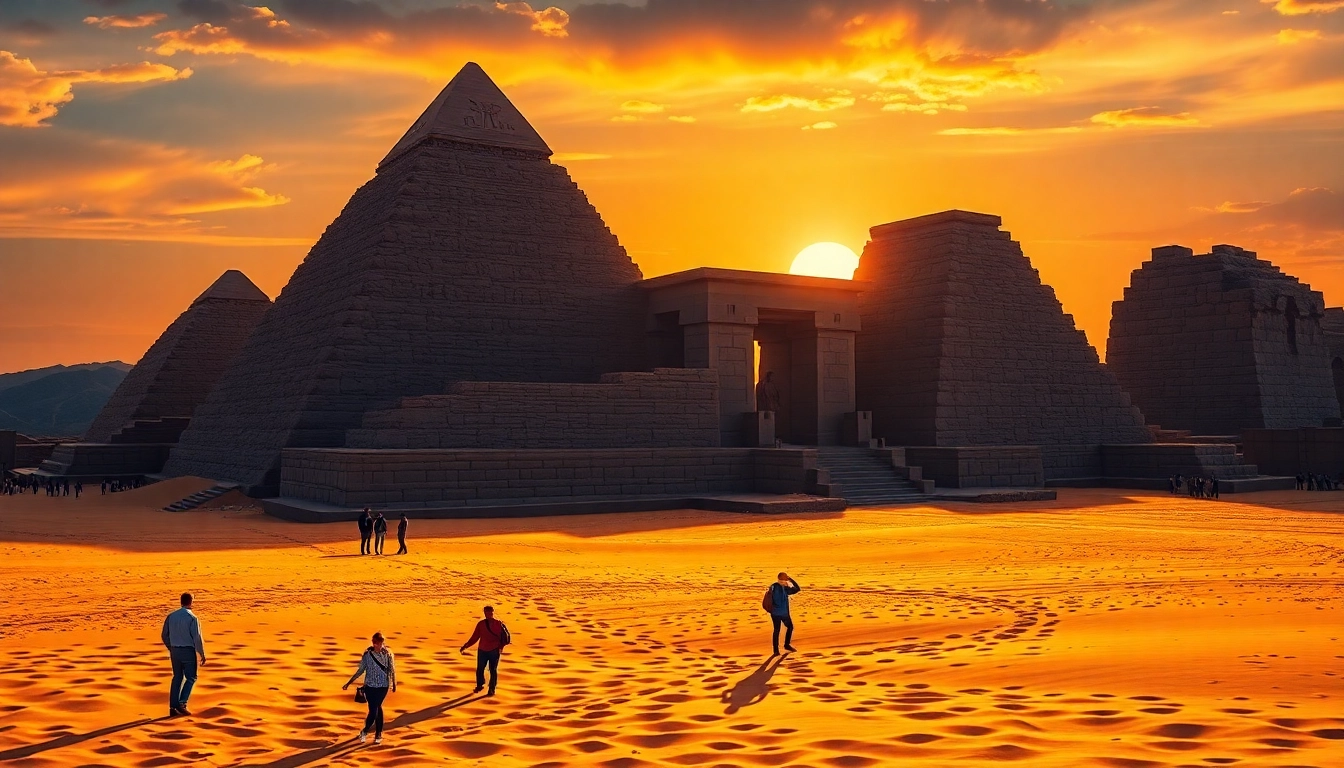
Introduction to Piraminds
The world is filled with majestic structures that capture the imagination and reflect the rich tapestry of human history. Among these, the piraminds stand out not only for their grandeur but also for their historical significance. Built centuries ago, these structures serve as a window into the ancient civilizations that crafted them. In this article, we will explore the definition of piraminds, their cultural significance, and the historical context surrounding their construction.
What Are Piraminds?
Piraminds are monumental structures primarily associated with ancient Egyptian civilization, characterized by their pyramid shape and typically constructed as tombs for pharaohs and nobles. These edifices come in various designs and sizes, yet they all share fundamental architectural features that symbolize the civilization’s spiritual beliefs about death and the afterlife. The most famous examples include the Pyramids of Giza, which reveal an impressive mastery of engineering and design.
The Cultural Significance of Piraminds
The significance of piraminds extends beyond their architectural feat; they are deeply interwoven with the cultural practices and beliefs of ancient Egyptians. They served as gateways to the afterlife, believed to help the deceased pharaoh ascend to the heavens. This belief system influenced not only the construction of these grand structures but also the layout of entire burial complexes, which included temples, chapels, and other related structures. Furthermore, piraminds reflected the social hierarchy, showcasing the power and divine right of pharaohs.
Historical Context: When Were They Built?
The timeline of piramid construction stretches back thousands of years, primarily during the Old and Middle Kingdom periods of Egyptian history. The construction of the Great Pyramid of Giza, for instance, dates to around 2580–2560 BCE. These structures were built over decades and required immense resources and labor. The political and social context of the time, including the need for centralized power and complex societal organization, played a crucial role in the development and construction of piraminds.
The Construction Techniques of Piraminds
The engineering prowess displayed in the construction of piraminds is a testament to ancient Egyptian ingenuity and skill. Understanding the techniques used in their construction provides insights into the capabilities of the civilization and the immense effort that went into these monumental tasks.
Materials Used in Piraminds
Construction materials for piraminds primarily included limestone, granite, and basalt. Limestone, sourced from nearby quarries, was often used for the inner core, while the outer casing, designed to reflect the sun’s light, featured finer quality Tura limestone. Granite, a much harder stone, was typically used for burial chambers and the inner passages because of its strength and durability. The use of these materials not only ensured the piramid’s longevity but also its symbolic connection to the divine.
Engineering Marvels: How Were They Built?
Building a piramid involved sophisticated planning and organization. Laborers, often skilled workers rather than slaves, were organized into teams and utilized an array of tools, including copper chisels and wooden sledges. Recent studies suggest that a well-structured process of moving huge blocks, employing ramps and levers, might have been in place, showcasing an understanding of physics and mechanics that was advanced for its time. The precise alignment of piraminds with cardinal points exemplifies their builders’ knowledge of astronomy.
Modern Discoveries and Insights
In recent years, advances in technology have allowed researchers to uncover new insights into piramid construction. Ground-penetrating radar and 3D scanning have revealed hidden chambers and structures that were previously unknown. These tools are also crucial in conservation efforts, allowing experts to monitor the structural integrity of existing piraminds and devise strategies for their preservation. This technology validates ancient building methods and opens up discussions on potential undiscovered sites.
Exploring the Myths Surrounding Piraminds
Despite extensive research, piraminds remain enveloped in myths and misconceptions. Understanding these narratives can provide valuable context and insight into cultural perceptions surrounding these majestic structures.
Common Misconceptions
One of the most prevalent misconceptions is that piraminds were built by slaves; however, archaeological evidence supports the idea that skilled laborers participated in their construction and were compensated for their work. Additionally, the idea that piraminds served solely as tombs overlooks their role in religious practices and their symbolic significance as gateways to the afterlife.
Mythical Elements in Piraminds
Myths surrounding piraminds often highlight their mystical aspects, such as the belief that they housed magical properties or divine connections. Various ancient texts allude to the idea of piraminds containing hidden messages or treasures. Such narratives not only reflect the ancient Egyptians’ fascination with the afterlife but also reveal their understanding of immortality and the afterlife.
Documentary Evidence of Traditional Stories
Numerous ancient texts, including the Pyramid Texts, offer insight into the religious significance of piraminds, illustrating the rituals and beliefs associated with death and the afterlife. Engravings found within the structures provide narratives of the pharaohs’ journeys to the afterlife, emphasizing the connection between the impermanence of life and the permanence of the piramid. The intersection of myth and reality in these documents demonstrates the cultural depth of ancient Egyptian beliefs.
Visiting Piraminds: A Traveler’s Guide
For those intrigued by the magnificence of piraminds, visiting these historical sites is a captivating experience. However, exploring these monumental structures requires planning to fully appreciate their historical and cultural significance.
Top Locations to Explore Piraminds
The most renowned sites for piramid exploration are undoubtedly located in Egypt. The Giza Plateau, home to the Great Pyramid, the Pyramid of Khafre, and the Pyramid of Menkaure, is a must-visit. Other notable locations include the Step Pyramid of Djoser in Saqqara and the Pyramid of Sneferu at Dahshur, each offering unique insights into the evolution of piramid architecture.
Best Time of Year to Visit
The best time to visit piramid sites is during the fall (September to November) and spring (March to May). Mild temperatures make for an enjoyable journey without the sweltering heat of the summer months. Additionally, avoid major holidays, when tourist crowds may detract from the experience.
Tips for New Visitors
When planning a visit to piramid sites, it’s wise to dress comfortably and wear sunscreen due to the extensive outdoor exposure. Guided tours can enhance your experience by providing valuable historical context. Always stay hydrated, as exploring vast deserts can quickly lead to dehydration.
Research and Preservation Efforts
Preserving piraminds and maintaining their structural integrity is immensely important for cultural heritage and education. Ongoing research and conservation efforts ensure these ancient structures are protected for future generations.
Organizations Involved in Piraminds Conservation
Various international and local organizations are dedicated to the conservation of piraminds, including UNESCO and the Egyptian Antiquities Organization. These bodies coordinate efforts to educate the public on the importance of preservation while conducting advanced research to mitigate deterioration caused by environmental factors and human intervention.
Recent Archaeological Findings
Recent excavations continue to unveil new evidence about piramid construction and the lives of those who built them. Discoveries of tools, burial artifacts, and even graffiti left by workers have shed light on the daily life and occupational culture of ancient Egypt. Each finding enriches our understanding of this ancient civilization and adds layers to the story of piraminds.
The Future of Piraminds
The future of piraminds depends on a combination of technological advancements and sustainable tourism practices. Innovations in monitoring and preservation techniques can help protect these structures from extensive wear and environmental damage while fostering a greater public appreciation for their significance. Education programs and responsible tourism initiatives are crucial in engaging the global community and ensuring the legacy of piraminds endures.
What are the key structures of a Piramid?
A Piramid typically consists of a base, multiple layers, and a burial chamber at its center, showcasing intricate designs.
Why were Piraminds built?
Piraminds were primarily constructed as tombs for pharaohs and served as monumental symbols of their power and beliefs in the afterlife.
How long did it take to build a Piramid?
Construction of a Piramid could take anywhere from a decade to several decades, depending on the size, design, and technology available.
Who were the laborers that built the Piraminds?
Contrary to popular belief, skilled workers, rather than slaves, were employed to build the Piramids, often receiving wages and housing.
What modern technology is used to study Piraminds?
Modern technology such as 3D scanning, satellite imagery, and ground-penetrating radar are employed to analyze and preserve Piramids.