Understanding the Essence of Wedding Photography
Wedding photography is more than just capturing images; it's the art of storytelling through pictures, freezing moments that couples will cherish for a lifetime. It's an imaginative expression that encapsulates emotions, memories, and the celebration of love on one of the most important days in a couple's life. The right Wedding photography not only portrays the event but also reflects the couple's unique personalities and style. This thorough exploration dives deep into everything you need to know about wedding photography, from understanding its styles and processes to choosing the right photographer.
What is Wedding Photography?
At its core, wedding photography involves documenting a wedding by capturing images of people, places, and events throughout the ceremony and reception. The objective is to tell the story of the magical day while highlighting its emotional and aesthetic aspects. Photographers often focus on key moments, such as the exchanging of vows, first kisses, and candid interactions, ensuring the day is encapsulated in a collection of images that can be treasured for generations.
The Importance of Wedding Photography
Wedding photography holds significant importance for several reasons:
- Preservation of Memories: It immortalizes a pivotal event in a couple's life. Over time, the photographs become cherished artifacts for not only the couple but also their families and future generations.
- Artistic Expression: Wedding photography provides an opportunity for creative expression. Photographers use various techniques and styles to aesthetically capture the ambience and emotions of the day.
- Storytelling: Each wedding is a unique story, and photographs narrate this tale—offering glimpses of the couple's journey, the love they share, and the community that surrounds them.
Different Styles of Wedding Photography
Wedding photography is a diverse field with numerous styles, each offering something distinct to couples. Here are some of the most popular styles:
- Traditional: This classic approach focuses on posed images and timeless moments, often including formal portraits of families and wedding parties.
- Photojournalistic: Emphasizing candid moments, this style captures the day as it unfolds naturally, often resulting in authentic, emotion-driven images.
- Fine Art: Combining artistic vision with wedding photography, fine art photographers often manipulate lighting and composition for a more stylized or dreamlike aesthetic.
- Editorial: Inspired by high-fashion photography, this style aims to create stunning, magazine-worthy images, ensuring couples appear glamorous and chic.
- Destination: For couples planning weddings at scenic locations, destination photographers blend travel photography with wedding imagery, capturing breathtaking landscapes alongside sincere moments.
Choosing the Right Wedding Photographer
Selecting the ideal wedding photographer is crucial in ensuring your day is well-documented. The right fit can make a world of difference in capturing the essence of your wedding. Here are essential considerations to help you make the best choice.
Factors to Consider
When choosing a wedding photographer, evaluate fundamental factors:
- Style Compatibility: Identify your preferred photography style and ensure the photographer you select specializes in that style.
- Experience: Experienced photographers are more adept at handling unexpected situations and capturing essential moments. Review their portfolios and testimonials.
- Budget: Set a reasonable budget for photography while ensuring quality is not compromised. Prices can vary widely based on experience and offerings.
- Personality: A compatible personality is vital. You will spend significant time with your photographer on your wedding day, so choose someone who aligns with your vibe.
How to Vet Potential Photographers
Once you have a shortlist of photographers, it's essential to vet them thoroughly. Follow these steps:
- Check Reviews: Look for feedback from previous couples to gauge their experience and satisfaction.
- View Portfolios: Analyze their past work to ensure their style matches your expectations. Pay attention to various wedding scenarios.
- Conduct Interviews: Meet with potential photographers to discuss your desires and ensure they understand your vision.
- Examine Contracts: Carefully read contracts to understand services provided, rights to photographs, and payment structure.
Questions to Ask Your Photographer
Asking targeted questions can aid in determining if a photographer is the right fit for your wedding:
- What is your shooting style, and how do you approach wedding photography? This provides insight into their methodology and creativity.
- What packages do you offer, and what is included in each? Understand the cost structure and what's encompassed in your investment.
- Can we see a full wedding gallery you've shot? Full galleries showcase how they document an entire wedding, giving you a clear expectation.
- How do you handle unforeseen circumstances on the wedding day? Assess their professionalism in dealing with potential issues.
Planning Your Wedding Photography
Effective planning ensures that you capture all meaningful moments on your wedding day. From creating a shot list to considering ideal locations, meticulous preparation can lead to breathtaking photographs.
Creating a Shot List
A shot list serves as a roadmap for the photographer and ensures all critical moments are captured. Here are steps to create an effective shot list:
- Identify Key Moments: List essential events, such as the ceremony, reception speeches, cake cutting, and first dance.
- Include Family Portraits: Outline combinations of family members and friends for group photos.
- Discuss Unique Shots: If there are particular themes or props you wish to incorporate, communicate these in advance.
Considering Locations
The locations you choose for wedding photographs can significantly influence the overall aesthetic. Consider these aspects:
- Venue Characteristics: Ensure the venue provides various backdrops that align with your photography style.
- Lighting Conditions: Investigate the lighting at different times of the day, as natural light can dramatically enhance your images.
- Scenic Spots: Plan for stunning photo locations, such as gardens, beaches, and landmarks, that align with your wedding theme.
Timing and Scheduling for Optimal Shots
Creating a timeline for your wedding day is vital to maximizing photographic coverage. Here’s how to structure your day:
- Preparation and Getting Ready: Allow ample time for hair, makeup, and detail shots of attire.
- Ceremony Timing: Schedule ample time for guests to arrive and for the ceremony to unfold smoothly before transitioning to the reception.
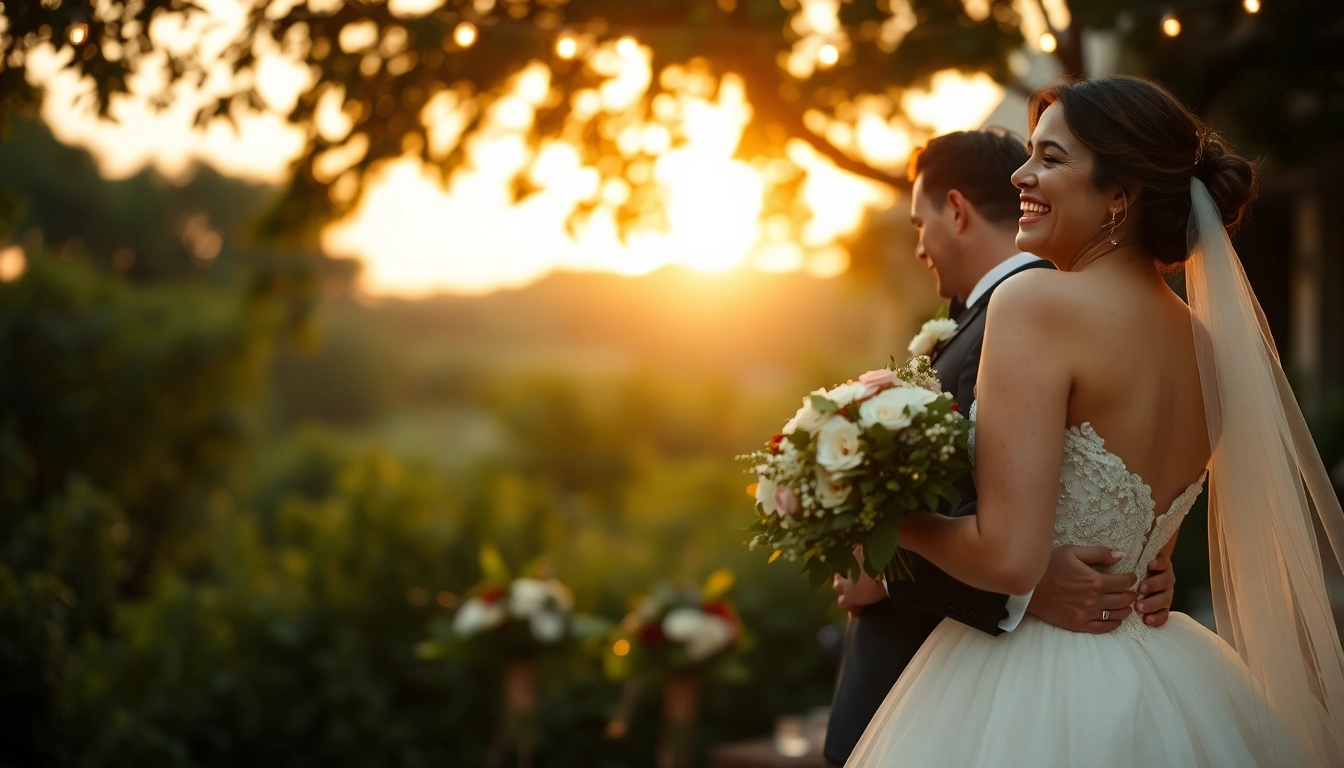
- Golden Hour Shots: Plan a window for portraits during the golden hour, just before sunset, to achieve soft, flattering lighting.
The Wedding Photography Process
The wedding photography journey extends well beyond the ceremony and reception. Understanding the full process—from pre-wedding consultations to post-production—can help set expectations and ensure a seamless experience.
Pre-Wedding Consultations
Pre-wedding consultations enable a collaborative approach between couples and their photographer. Here’s what to cover:
- Vision Discussion: Share your ideas, preferences, and the emotions you want to capture.
- Logistics and Timeline: Figure out key moments and logistics that might influence how shots unfold.
- Style Alignment: Your photographer should clarify how they can accommodate specific styles or unique requests.
During the Wedding Day: What to Expect
On the wedding day, maintaining a relaxed atmosphere is vital for optimal results. Here are aspects to expect:
- Arriving Early: Photographers will typically arrive early to assess lighting and set up equipment.
- Real-Time Adjustments: Be open to suggested adjustments based on changing conditions for optimal shots.
- Professionalism: Expect your photographer to blend into your day, capturing candid moments without being intrusive.
Post-Production: Editing and Deliverables
Post-production is where the magic continues with editing techniques that enhance the overall appeal of your photographs:
- Editing Styles: Photographers usually apply filters, color corrections, and retouching to create a polished final product.
- Deliverables: Understand how and when you will receive your images—digital galleries, printed albums, and timeline expectations.
FAQs about Wedding Photography
How much should I budget for wedding photography?
Wedding photography costs can vary widely, typically ranging from $1,000 to over $5,000, depending on experience and services.
What should I look for in a wedding photographer?
Look for style, experience, portfolio quality, and reviews from previous clients when selecting a photographer.
How can I make my wedding photos unique?
Incorporate personalized themes, unique locations, and creative poses to enhance the individuality of your wedding photography.
Can I request specific shots?
Absolutely! Communication about your desired shots helps ensure your photographer captures your vision effectively.
What is included in a typical wedding photography package?
Packages usually include pre-wedding consultations, coverage of the ceremony and reception, and digital or printed photo deliverables.