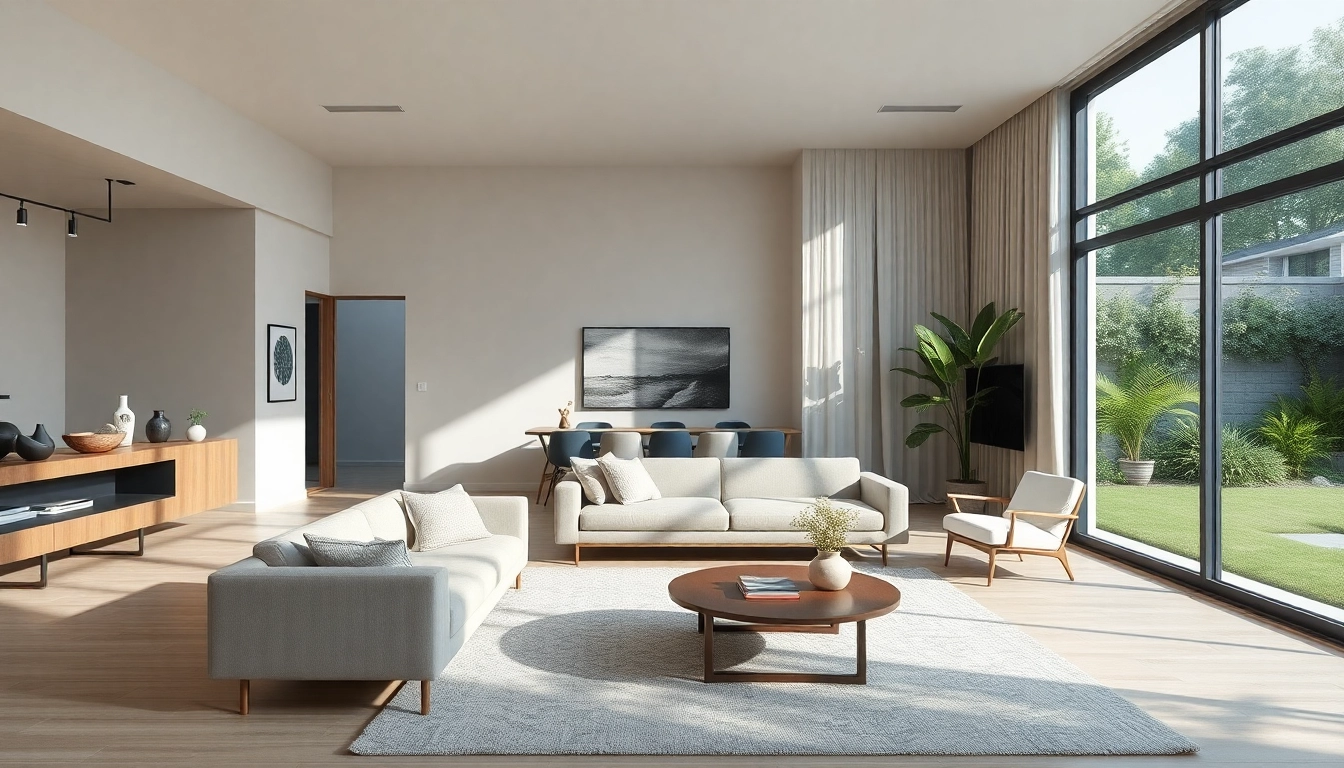
Understanding the Principles of Seamless Living
In today's fast-paced world, the concept of creating a home that promotes peace and productivity has become more relevant than ever. This transformative design approach, known as Seamless Living, emphasizes cohesive spaces where comfort and functionality coexist harmoniously. By understanding the principles of this lifestyle, individuals can create environments that nurture both well-being and efficiency.
Defining Seamless Living and Its Benefits
Seamless Living is an architectural and design philosophy that integrates various aspects of life into a cohesive environment. This concept emphasizes flow, both in the physical layout of spaces and in the daily activities that occur within them. The benefits of adopting Seamless Living are numerous:
- Increased Harmony: A seamless design eliminates chaotic interiors, promoting a sense of tranquility.
- Enhanced Functionality: Well-thought-out layouts encourage easier navigation and enhance workflow.
- Improved Aesthetics: A focus on cohesive design elements results in visually pleasing spaces.
- Greater Flexibility: Seamless Living accommodates various lifestyles, making it easier to adapt spaces for multiple uses.
- Connection with Nature: Incorporating natural elements fosters a calming atmosphere, improving overall well-being.
The Key Elements of Seamless Living Design
The essence of Seamless Living revolves around several key design elements:
- Open Spaces: A layout that promotes connection between rooms without barriers leads to increased social interaction.
- Multifunctional Areas: Spaces that serve multiple purposes are essential for maximizing utility in modern homes.
- Natural Light: Incorporating large windows and strategic lighting creates warmth and boosts mood.
- Consistent Color Palettes: Harmonized colors throughout different spaces unify the overall design.
- Natural Materials: Utilizing wood, stone, and other organic materials enhances the tactile experience of living areas.
How Seamless Living Addresses Modern Challenges
In an era marked by rapid changes and uncertainties, the need for adaptable living spaces is paramount. Seamless Living addresses several modern challenges:
- Space Conservation: As urban living spaces shrink, flexibility becomes vital. Seamless Living encourages smart spatial decisions to maximize comfort.
- Mental Well-being: In an age of constant connectivity, creating serene environments counteracts stress and promotes mental clarity.
- Environmental Sustainability: Integrating eco-friendly designs and materials contributes to sustainable living practices.
- Work-Life Balance: As remote work becomes commonplace, creating dedicated yet seamless workspaces at home allows for clearer boundaries.
Designing for Flow: Room Layouts that Enhance Seamless Living
Effective room layouts are integral to the concept of Seamless Living. The goal is to create spaces that facilitate movement and interaction, encouraging an effortless flow throughout the home.
Open-Concept Designs for Effortless Transition
Open-concept designs eliminate walls that separate key living areas, promoting a sense of continuity. Such layouts are not only visually appealing but also interactive, enhancing communication among inhabitants. For instance, a kitchen that flows into a living room invites conversations and makes entertaining guests more enjoyable.
To create open spaces:
- Remove unnecessary walls or partitions.
- Utilize furniture arrangement to define different areas.
- Incorporate large islands or breakfast bars to enhance movement.
Creating Multifunctional Spaces
Modern living often demands that spaces serve multiple functions. This flexibility is a hallmark of Seamless Living, allowing households to adapt to varying needs. Designing areas that can transition from quiet workspaces to social hubs is essential.
For example, a guest room can double as a home office by incorporating a fold-out desk or convertible furniture, ensuring that every space is utilized to its fullest potential.
Balancing Privacy and Openness in Home Layouts
While the concept of openness is vital, it's equally important to maintain areas of privacy. Achieving this balance is key to a well-functioning home that promotes both tranquility and connection. Design solutions may include:
- Strategically placed furniture to create intimate corners.
- Sliding doors or screens that can be opened or closed as needed.
- Levels and heights to break visual lines without sacrificing flow.
Color and Material Choices for Seamless Living
The impact of color and materials on the ambiance of a home cannot be overstated. Thoughtful selections contribute significantly to the overall feel and functionality of spaces designed for Seamless Living.
Choosing a Calming Color Palette
Colors can influence mood and perception within a home. A calming color palette typically consists of soft, muted tones that promote peace and comfort. Shades of blue, green, and neutral earthy colors harmonize beautifully and encourage a relaxing atmosphere.
For best results:
- Choose colors that resonate with your personal preferences and lifestyle.
- Limit color variety within spaces to maintain coherence.
- Consider the lighting when selecting colors, as this can drastically affect their appearance.
Materials that Inspire Cohesion
Incorporating a consistent selection of materials throughout your home enhances coherence. Natural materials like wood, stone, and metal can create an inviting environment. Opt for finishes that match or complement each other across different elements for a unified look.
Texture and Lighting in Seamless Living
Texture adds dimension and character to a space. Combining different textures, such as smooth fabrics with coarse materials, creates visual interest while maintaining comfort. In addition to texture, lighting design plays a pivotal role in enhancing the seamless living experience. Implementing layers of lighting, including ambient, task, and accent lighting, can set the desired atmosphere and functionality.
Incorporating Nature into Seamless Living
Embracing nature is fundamental to the concept of Seamless Living. This involves fostering a connection with the outdoors and integrating natural elements into indoor spaces.
Indoor-Outdoor Connections for Vitality
Establishing direct connections between indoor and outdoor spaces invigorates living areas. Implementing large glass doors, windows, or even creating outdoor patios that flow into living rooms encourages a healthy interaction with nature.
Considerations for these connections include:
- Utilizing folding or sliding doors to blend spaces comfortably.
- Positioning outdoor seating areas adjacent to indoor spaces for seamless transitions.
- Incorporating large windows to invite natural light and views of nature.
Utilizing Natural Elements and Greenery
Integrating plants and natural materials in home design enriches the environment and improves air quality. Houseplants can serve as both decor and air purifiers, and are essential in fostering a serene atmosphere. Natural wooden furniture, stone countertops, and organic fabrics connect interiors deeply with the outdoors.
Benefits of Biophilic Design in Homes
Biophilic design goes beyond mere aesthetics; it promotes well-being by forging strong emotional connections with nature. Research shows that incorporating nature can enhance cognitive function, reduce stress, and improve overall satisfaction within living spaces.
Practical Tips for Implementing Seamless Living
Transitioning your home into a Seamless Living space requires thoughtful planning and execution. Below are practical tips to help you effectively implement this design philosophy.
Budgeting and Planning for Your Seamless Living Space
Establishing a clear budget is crucial for any home renovation. Begin by defining your goals and consider the resources at your disposal. For a successful transition to Seamless Living, allocate funds toward:
- Professional consultations (if needed).
- Quality materials that align with your design vision.
- Flexible furniture solutions that maximize function.
Creating a timeline and planning out each stage helps ensure a smooth process and minimizes surprises.
DIY Ideas to Enhance Seamless Living
DIY projects offer a personalized touch to your Seamless Living space. Consider these ideas:
- Create custom shelving to maximize space and showcase decor.
- Make your own plant stands or hanging planters to integrate greenery.
- Repurpose furniture to suit multifunctional needs, such as turning a dresser into a TV stand.
Measuring the Success of Your Seamless Living Approach
Measuring the success of your Seamless Living journey involves evaluating functionality, comfort, and aesthetics. Assess how effectively your spaces serve their intended functions and whether they foster the desired atmosphere. Consider gathering feedback from family members, and make adjustments as needed to ensure that the design meets everyone’s needs.
FAQs About Seamless Living
1. What is Seamless Living?
Seamless Living is a design approach that focuses on creating harmonious and functional living spaces that promote comfort and ease of movement.
2. How can I achieve a Seamless Living space?
To create a Seamless Living space, emphasize open layouts, use cohesive color and material palettes, and integrate nature through indoor plants or outdoor connections.
3. Why is an open-concept design important?
An open-concept design fosters communication, enhances social interactions, and allows better flow between different areas of the home.
4. What materials work best for Seamless Living?
Natural materials such as wood, stone, and organic textiles enhance the warm aesthetic and tactile experience of Seamless Living spaces.
5. How does nature factor into Seamless Living?
Incorporating nature through plants, natural light, and outdoor connections is crucial for creating a calming and invigorating living environment.