Understanding the Foundations of Education
Defining Education and Its Importance
Education is a multifaceted process involving the transmission of knowledge, skills, values, and beliefs from one generation to another. It occurs through various mediums: formal settings, such as schools and universities, and informal environments, like homes and community centers. This process not only fosters intellectual growth but also shapes the character and social behaviors of individuals. Recognizing the significance of education in shaping societies and empowering individuals is crucial, especially in a world that values knowledge increasingly. For further reading on various educational methodologies, you may explore this comprehensive Education resource.
The Role of Formal and Informal Education
Formal education is structured and typically follows a set curriculum, often culminating in recognized qualifications. Schools and universities exemplify formal education where standardized testing and grading systems are prevalent. Conversely, informal education occurs outside traditional classrooms; it includes experiential learning, self-directed study, and mentorship. Both spheres hold intrinsic value. Formal education provides foundational knowledge and essential skills, while informal education enhances practical skills and personal engagement, fostering a more holistic learning experience.
Key Theories Influencing Education Systems
Various educational theories have significantly influenced modern education systems. Constructivism, grounded in the works of Piaget and Vygotsky, emphasizes active learning where students construct knowledge through experience. Behaviorism, spearheaded by B.F. Skinner, addresses the role of reinforcement and punishment in shaping behaviors. Additionally, humanistic theories focused on personal growth and self-actualization promote learning that centers around the learner's needs and aspirations, transforming how educational content is delivered and assessed.
Current Trends in Education
Technology Integration in Education
Rapid advancements in technology have revolutionized education. Integrating multimedia resources, online platforms, and interactive tools fosters greater engagement and personalization in learning. Technologies such as artificial intelligence identify individual learning styles and tailor curricula accordingly. Virtual and augmented realities offer immersive learning experiences, enhancing student understanding and retention. As more educational institutions adopt these technologies, the possibilities for innovative learning increase dramatically.
Personalized Learning Approaches
Personalized learning tailors education to meet individual student needs, interests, and learning paces. This approach utilizes data analytics to assess each child's strengths and weaknesses, allowing educators to customize instructional methods and materials. Personalization can take many forms, from adaptive learning software adjusting difficulty levels to project-based learning initiatives that align with student passions. Such strategies not only enhance motivation but also drive academic success, equipping learners with the confidence to pursue their unique goals.
Inclusive Education for Diverse Learners
As classrooms become increasingly diverse, inclusive education practices ensure all students, regardless of background or ability, receive equitable opportunities. This comprehensive approach caters to students with learning disabilities, multicultural backgrounds, and different learning styles, promoting understanding and respect among peers. Effective inclusive education requires ongoing professional development for teachers, collaboration with families, and community engagement to create supportive learning environments where everyone can thrive.
Challenges Facing Modern Education
Addressing Funding and Resource Disparities
Funding disparities remain one of the most pressing challenges in education today. Inequitable allocation of resources can hinder student performance and limit opportunities, particularly in lower-income districts. Advocating for fair funding policies, innovative financial models, and community partnerships can mitigate these issues, ensuring all students have access to quality educational resources, experienced teachers, and advanced technology.
Combatting Standardized Testing Limitations
Standardized testing, while intended to measure educational outcomes, often fails to account for diverse learning styles and backgrounds. Critics argue that these assessments can be overly limiting and stress-inducing, leading to a narrow focus on rote memorization rather than critical thinking and creativity. Rethinking assessment models to incorporate alternative forms of evaluation, such as portfolio assessments or project-based learning, can offer more comprehensive insights into student capabilities and growth.
Promoting Teacher Wellbeing and Retention
Teacher retention is critical for providing stable and effective education. High turnover rates can disrupt learning environments and negatively impact student achievement. Addressing issues such as workload, mental health, and professional development opportunities is essential to support teacher wellbeing. By fostering a positive school culture and offering incentives for continued education and career advancement, schools can retain dedicated educators committed to their students’ success.
Best Practices for Effective Teaching
Engaging Students in Active Learning
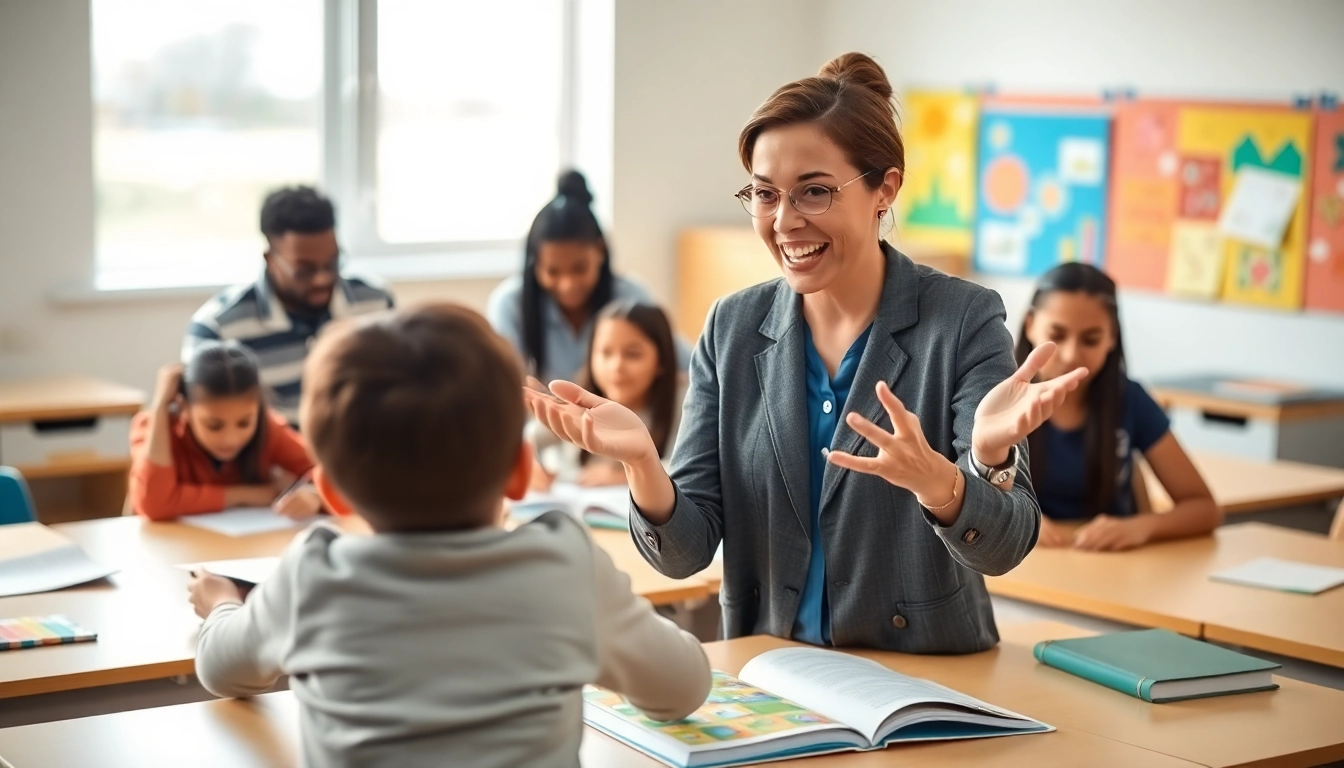
Active learning strategies engage students in the learning process, making education interactive and dynamic. Techniques such as group discussions, problem-solving tasks, and hands-on activities encourage critical thinking and collaboration. Educators can foster active learning by creating a supportive environment that facilitates exploration and inquiry, turning the classroom into a vibrant hub of ideas where every student can contribute and thrive.
Utilizing Assessment for Continuous Improvement
Assessments should serve as tools for improvement rather than mere grading instruments. Formative assessments—ongoing evaluations during the learning process—provide valuable feedback, allowing educators to adjust instructional methods proactively. Utilizing assessment data to inform lesson planning can enhance student understanding and clarify areas needing additional focus, promoting a continuous feedback loop that nurtures academic growth.
Fostering Collaboration and Communication Skills
In an ever-evolving global landscape, collaboration and communication skills are essential for students’ future success. Incorporating group projects, presentations, and peer evaluations into the curriculum encourages learners to work together, share ideas, and effectively convey their thoughts. Developing these skills not only prepares students for collaborative work environments but also instills confidence and interpersonal abilities that are paramount in today's interconnected world.
The Future of Education: Opportunities Ahead
Embracing Lifelong Learning Mindsets
As the pace of change accelerates, adopting a lifelong learning mindset is essential. Education should impart not only knowledge but also the skills necessary to adapt and grow throughout life. By instilling curiosity, resilience, and self-directed learning capabilities, educators can prepare students to navigate the complexities of the modern workforce and society. Developing programs that promote continuous learning opportunities, from workshops to online courses, fosters an environment where education continues beyond traditional settings.
Preparing Students for a Global Workforce
Today's students are tomorrow's global workforce, making it paramount that education equips them with relevant skills. Promoting cultural competencies, language acquisition, and global awareness will prepare learners to thrive in diverse work environments. Collaborations with international partners, study abroad programs, and cross-cultural projects can enhance students' readiness to engage with global challenges and opportunities.
Innovative Curriculum Development Strategies
Curriculum development must evolve to remain relevant and effective in a rapidly changing world. Adopting interdisciplinary approaches merges subjects such as science, technology, engineering, and mathematics (STEM) with liberal arts education, fostering a more integrated understanding of knowledge. Additionally, engaging stakeholders—teachers, students, parents, and community members—in the curricular development process ensures educational content is relevant and reflective of societal needs, preparing students for future success.