
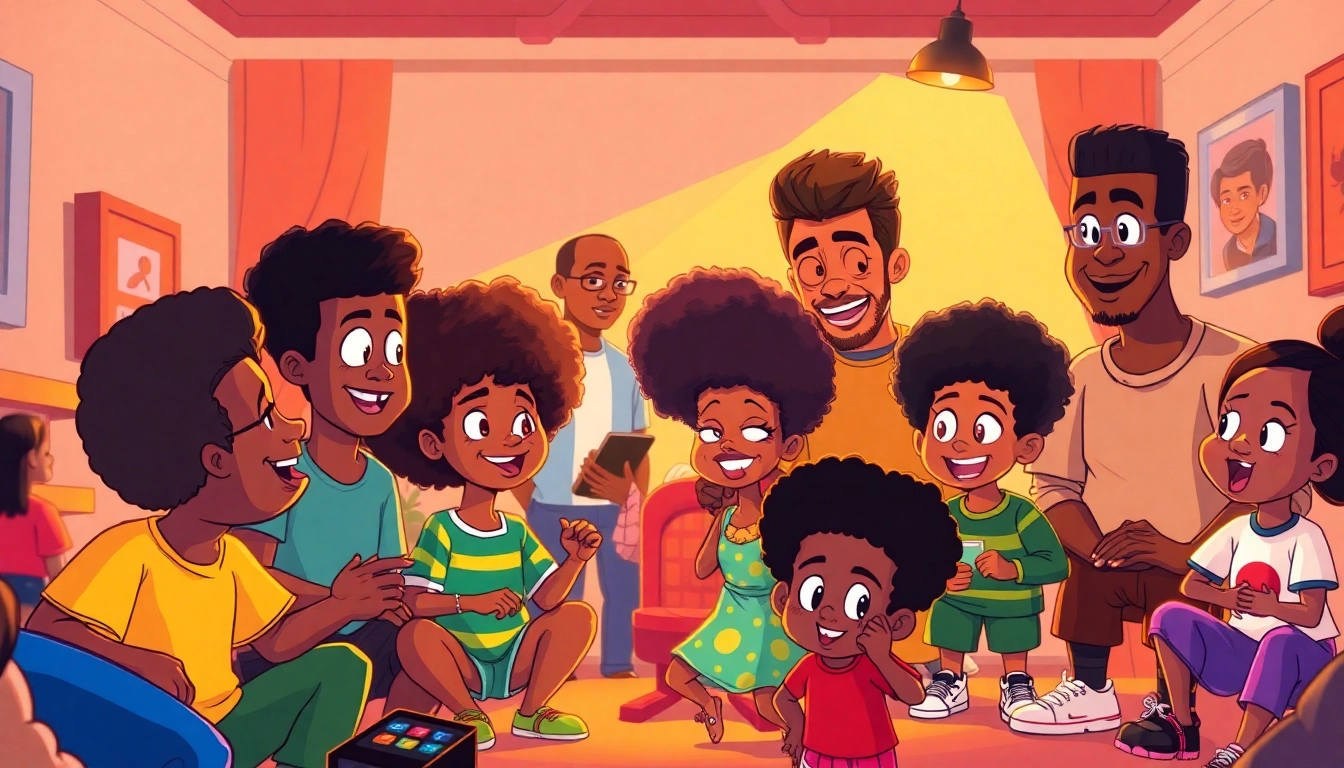
Introduction to African American Cartoons
African American cartoons have played a vital role in the animation industry, serving as powerful mediums for storytelling, cultural representation, and the celebration of Black identities. From classic animations that paved the way for future generations to modern series that touch on contemporary issues, these cartoons reflect the dynamic experiences and histories of African Americans. In 2026, the landscape of African American animation is richer than ever, showcasing a plethora of shows that resonate with audiences and inspire new creators. When exploring options, African American Cartoons continue to provide comprehensive insights into this vibrant genre.
Historical Context of Black Animation
The roots of Black animation can be traced back to the early 20th century, when animations were predominantly produced by white creators and studios. Notable figures like Paul Robeson and the establishment of the first Black-owned animation studio challenged the status quo by introducing characters and narratives that reflected African American culture. Shows like "Fat Albert and the Cosby Kids," which aired in the 1970s, combined humor with life lessons, creating a blueprint for future series that would prioritize representation and authenticity.
Importance of Representation in Media
Representation in media, especially in animation, is crucial for shaping cultural narratives and influencing societal attitudes. African American cartoons have become a platform for marginalized voices, allowing creators to depict the complexities of Black life. Through relatable characters and engaging storylines, these cartoons foster a sense of belonging and pride among viewers, particularly young audiences. This representation encourages discussions about race, identity, and community, further enriching the cultural landscape.
Popular Genres and Themes
African American cartoons span various genres, including comedy, drama, and fantasy. Common themes include family dynamics, social justice, self-empowerment, and the exploration of cultural heritage. The blend of humor and education is particularly evident in shows like "The Proud Family," which addresses social issues while entertaining audiences with its comedic elements. As animation continues to evolve, so too does the variety of stories that reflect the African American experience.
Top African American Cartoons of 2026
Must-Watch Animated Series
As of 2026, several animated series featuring African American leads deserve a spot on your watchlist. "Craig of the Creek" offers a fresh take on childhood adventures, showcasing the importance of friendship and community through the eyes of a young Black boy. Additionally, "Bino and Fino" provides educational content for children, teaching them about African culture and history while being entertaining. These series highlight the diversity of narratives within the genre and the importance of relatable characters.
Classic Cartoons Everyone Should Know
Some classic African American cartoons have left an indelible mark on the animation landscape. "The Boondocks" remains a quintessential example of social commentary through animation, tackling topics such as race relations and politics with sharp wit. Similarly, "The Jacksons" and "Fat Albert" paved the way for future series, offering platforms for Black voices in a predominantly white industry. These nostalgic favorites not only provide entertainment but also serve as cultural touchstones for generations.
Emerging New Releases
The animation industry is continually evolving, with new titles celebrating African American culture emerging each year. In 2026, audiences can look forward to exciting new releases such as "Motown Magic," which intertwines music with magic to teach children about the rich legacy of Motown artists. Furthermore, shows like "Doc McStuffins" continue to inspire with their diverse representation and educational content aimed at younger viewers. These new series emphasize the ongoing need for inclusive storytelling in animation.
Iconic Characters in African American Cartoons
Defining Figures in Animation History
Several characters from African American cartoons have become iconic, each representing different facets of the Black experience. Characters like Huey and Riley Freeman from "The Boondocks" embody the complexities of growing up in America as young Black males, tackling societal issues with humor and depth. Such characters not only entertain but also challenge stereotypes, paving the way for more nuanced portrayals in media.
Influential Female Characters
Female characters in African American cartoons have made significant contributions to storytelling within the genre. Penny Proud from "The Proud Family" and Doc McStuffins serve as powerful role models, showcasing strength, intelligence, and compassion. These characters help to break down gender stereotypes while promoting positive self-image and resilience among young girls, reinforcing the importance of female representation in animation.
Impact of Characters on Culture
The impact of African American cartoon characters extends beyond entertainment. Characters like Frozone from Pixar's "The Incredibles" and the titular character in "Afro Samurai" highlight the richness and diversity of Black culture in media. These figures not only entertain but also inspire discussions around identity, representation, and community, showcasing the power of animation as a tool for social change.
Where to Find African American Cartoons
Streaming Platforms and Access
In the digital age, accessing African American cartoons has become easier than ever. Numerous streaming platforms now offer extensive libraries featuring these beloved shows. Services like Netflix, Hulu, and Disney+ provide a range of options, from classic cartoons to the latest releases. This accessibility ensures that audiences can enjoy and support diverse storytelling in animation.
Online Communities and Fan Support
Online communities play a crucial role in promoting African American cartoons and supporting creators. Platforms like Reddit and social media groups allow fans to connect, discuss, and celebrate their favorite shows and characters. These communities foster a sense of camaraderie among fans, encouraging participation in advocacy for better representation in the animation industry.
Recommendation Lists and Guides
For those looking to dive into the world of African American cartoons, various recommendation lists and guides are available. Websites dedicated to children’s entertainment often curate lists highlighting the best shows that feature African American leads or themes. These resources serve as valuable tools for parents and educators seeking to introduce children to diverse narratives and characters in animation.
The Future of African American Cartoons
Trends in Animation and Storytelling
The future of African American cartoons is bright, with current trends emphasizing inclusivity and storytelling diversity. There is a growing push for narratives that reflect the full spectrum of Black experiences, moving beyond traditional stereotypes. This shift allows for more complex characters and stories, ultimately enriching the animation landscape.
Predictions for Upcoming Series
As we look towards the future, several upcoming series show promise in continuing the legacy of African American animation. New creators are emerging, bringing fresh perspectives and innovative storytelling methods. Predictions for these series include more interactive elements, the incorporation of technology such as augmented reality, and a focus on social issues relevant to younger audiences.
The Role of Technology in Animation
Technology is transforming the animation industry, paving the way for new techniques and storytelling methods. Innovations like AI-assisted animation and advanced CGI are making it easier for creators to bring their visions to life. These technological advancements will also enable greater diversity in character design and storytelling, ultimately leading to a broader representation of African American culture in animation.