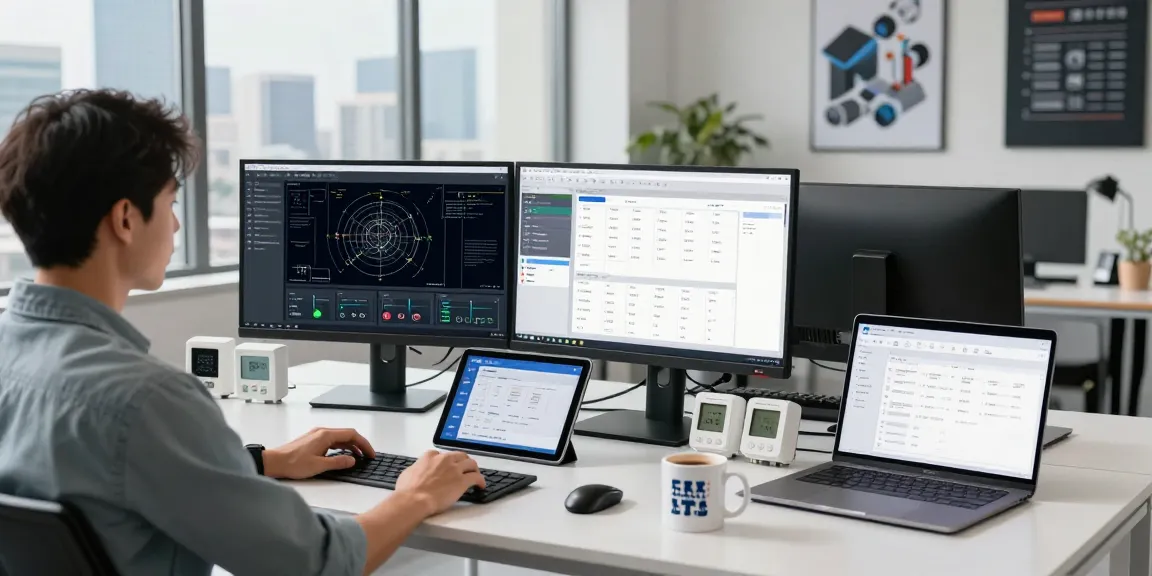
Understanding the Role of Technology in Modern Workspaces
Technology has significantly revolutionized the way organizations operate in today's fast-paced business environment. From the way we communicate to how tasks are managed, the impact of technology is profound and far-reaching. It has become a critical component in fostering productivity and enhancing collaboration within teams. The "Technology" landscape is dynamic, shaping not only individual roles but the entire work culture. This article delves into the multifaceted role of technology in modern workspaces, its transformative power, and the best practices for implementation and management.
What is Technology and Its Significance?
At its core, technology refers to the application of scientific knowledge for practical purposes. It encompasses a wide range of tools, systems, and methods aimed at solving problems and improving efficiency. The significance of technology is undeniable; it not only streamlines processes but also fosters innovation, drives economic growth, and enhances overall quality of life. The increasing reliance on technology emphasizes its importance in various sectors, including healthcare, education, transportation, and, notably, the workplace.
Types of Technology Transforming Work Environments
Several types of technology are shaping modern workplaces. Each serves a unique purpose but collectively enhances operational efficiency. Notable categories include:
- Information Technology (IT): This includes hardware and software that facilitate data processing and communication.
- Communication Technology: Tools such as email, video conferencing, and instant messaging that enable seamless interaction among team members.
- Automation Technology: Software solutions that automate repetitive tasks, enhancing productivity and accuracy.
- Collaboration Technology: Platforms that support team collaboration and project management, offering shared spaces for resources and information.
- Artificial Intelligence (AI): Systems that analyze data and provide insights, assisting in decision-making and predictive analytics.
The Impact of Technology on Productivity
Technology has made a significant contribution to productivity in modern workspaces. By automating mundane tasks, employees can focus on higher-value activities, leading to enhanced job satisfaction and efficiency. Furthermore, technologies that facilitate communication and collaboration allow for faster decision-making and problem-solving. Research indicates that organizations utilizing advanced technology have experienced improvements in their productivity metrics, exemplifying the critical link between technology adoption and organizational success.
Key Technologies Enhancing Team Collaboration
Communication Tools: From Email to Instant Messaging
Effective communication is the backbone of any successful team. The advent of communication tools ranging from email to instant messaging platforms has changed the way teams interact. These tools promote quick exchanges of information and foster a culture of transparency and engagement. Synchronous tools like Slack or Microsoft Teams allow for real-time discussions, enabling teams to align quickly and efficiently.
Project Management Software: Streamlining Tasks
Project management software offers a structured approach to planning, executing, and closing projects. Tools such as Asana, Trello, and Monday.com help teams prioritize tasks, track progress, and allocate resources effectively. By having a centralized platform for all project-related activities, teams can minimize the risk of miscommunication while promoting accountability among members.
The Rise of Virtual Collaboration Platforms
As remote work becomes increasingly common, virtual collaboration platforms have emerged as essential tools for maintaining productivity. These platforms allow teams to work together regardless of location, providing features such as screen sharing, real-time document editing, and virtual brainstorming sessions. As organizations continue to embrace remote work, the demand for these platforms will likely increase, indicating a permanent shift in how work is conducted.
Best Practices for Implementing Technology in Teams
Assessing Team Needs for Effective Technology Use
To maximize the benefits of technology, it is crucial for organizations to assess their teams' specific needs. This involves understanding the challenges faced by team members and identifying tools that can address those challenges effectively. Conducting surveys or workshops can provide insights into the technology that best aligns with the team's workflow and objectives.
Training and Support for Technology Adoption
Implementing new technology without adequate training can lead to frustration and reduced morale among employees. Comprehensive training programs tailored to the specific technology being adopted can foster smoother transitions. Providing ongoing support and resources, such as FAQs and user guides, also encourages employees to become more familiar with new systems.
Measuring Success: Key Performance Indicators
To assess the impact of technology implementations, organizations should establish clear Key Performance Indicators (KPIs). Metrics such as productivity rates, employee engagement scores, and project completion times can provide valuable insights into the effectiveness of the technology in improving workplace operations.
Challenges of Incorporating Technology in Workplaces
User Resistance: Overcoming Barriers to Technology Adoption
Despite its benefits, resistance to technological change is common in many organizations. Employees may fear that new systems will disrupt their routines or render their current skills obsolete. To overcome this resistance, it is essential to involve team members in the technology selection process and to communicate the compelling benefits clearly. Engaging champions or early adopters within the team can also help in advocating for the technology's adoption.
Maintaining Work-Life Balance in a Tech-Driven Environment
As technology increases availability, it can blur the lines between work and personal life. Organizations must emphasize the importance of work-life balance and encourage their teams to disconnect after hours. Implementing clear policies regarding remote work expectations can protect employee well-being while maintaining productivity.
Security Concerns: Safeguarding Company Data
With the increasing use of technology comes an elevated risk of cyber threats. Organizations need to prioritize cybersecurity measures to protect sensitive data. This includes regular software updates, employee training on security best practices, and the establishment of clear protocols for data access and sharing.
The Future of Technology in Professional Settings
Predictions for Technology Advancement in the Workplace
The future of work will be heavily influenced by ongoing technological advancements. We can anticipate a rise in automation through robotics and AI technologies, which will take over routine tasks and free up employees for more strategic roles. Additionally, advancements in cloud computing will facilitate even greater flexibility and collaboration among teams.
Emerging Trends in Remote Work Technology
As remote work continues to thrive, technologies that support virtual work environments will grow in importance. Innovations such as augmented and virtual reality are set to enhance remote collaboration experiences, allowing for more immersive interactions. Furthermore, tools that provide analytics on remote team performance will gain traction, offering organizations insights into optimization opportunities.
Long-Term Implications for Workforce Dynamics
The integration of technology in workplaces is likely to reshape workforce dynamics on multiple levels. The focus will shift towards a hybrid work model, blending in-office and remote work, necessitating new strategies for team engagement and collaboration. As technology continues to evolve, so will the skill sets required by employees, leading to a greater emphasis on continuous learning and professional development.