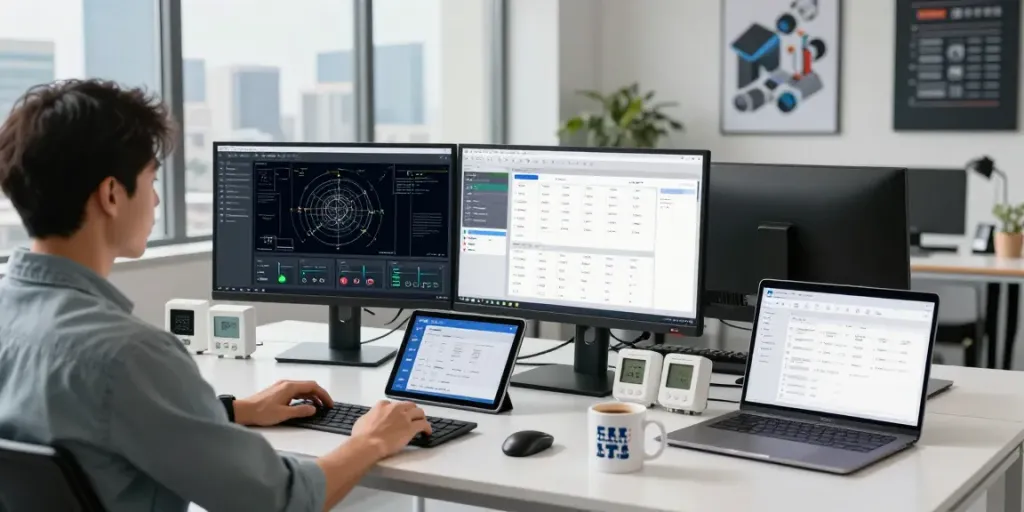
Introduction to HVAC Software: Revolutionizing the Industry
As technology continues to evolve, industries are increasingly integrating specialized software solutions to enhance their efficiency and productivity. The HVAC (Heating, Ventilation, and Air Conditioning) industry is no exception. HVAC software has emerged as an essential tool, streamlining operations, improving customer satisfaction, and ultimately driving profitability. For contractors and technicians alike, seamless management of daily tasks is now more achievable than ever. When exploring options, HVAC Software offers comprehensive insights into various systems designed specifically to meet the unique challenges of the HVAC sector.
Understanding HVAC Software Basics
HVAC software encompasses a wide range of applications designed to assist businesses in managing their operations more effectively. From scheduling service calls to managing inventory and invoicing, these software solutions provide a digital framework that enhances overall workflow.
- Job Scheduling: Optimize technician schedules based on proximity and availability.
- Dispatching: Quickly assign jobs to the nearest technician to minimize travel time.
- Inventory Management: Keep track of equipment and parts to reduce overhead costs.
- Invoicing: Streamline billing processes with customizable templates and automated reminders.
Importance of HVAC Software for Modern Businesses
In today's competitive marketplace, HVAC businesses must leverage technology to stay ahead. HVAC software is crucial for modern businesses for several reasons:
- Increased Efficiency: Automating routine tasks reduces the time spent on manual processes.
- Enhanced Customer Experience: Quick response times and accurate job tracking lead to higher customer satisfaction.
- Data-Driven Insights: Analytics features allow companies to make informed decisions based on performance metrics.
Choosing the Right HVAC Software for Your Business
Comparing Popular HVAC Software Options
With numerous HVAC software solutions available, selecting the right option can be overwhelming. Popular choices include:
- ServiceTitan: A robust platform that offers comprehensive features for service management.
- Jobber: Known for its user-friendly interface, it provides tools for scheduling, invoicing, and more.
- Housecall Pro: Focuses on mobile capabilities, ideal for technicians in the field.
- FieldEdge: Integrates seamlessly with existing business systems to enhance operational workflows.
Evaluating Features vs. Business Needs
Before making a decision, businesses should evaluate their specific needs and compare them with the features offered by different HVAC software solutions. Some factors to consider include:
- Scalability: Will the software grow with your business?
- Ease of Use: Is it user-friendly for your team?
- Support and Training: What resources are available for onboarding staff?
Cost Considerations and Budgeting Tips
The cost of HVAC software can vary significantly based on the features and complexity of the system. Here are budgeting tips for businesses:
- Research Subscription Models: Monthly or yearly subscriptions often include updates and customer support.
- Consider Long-Term ROI: Evaluate how much time and money the software will save in the long run.
- Take Advantage of Free Trials: Many providers offer trials to test the software before making a financial commitment.
Implementing HVAC Software Successfully
Steps for a Smooth Software Transition
Transitioning to new HVAC software does not have to be daunting. Following these steps can help ensure a smooth implementation:
- Conduct an initial assessment of your current processes and identify areas for improvement.
- Select the software and involve your team in the decision-making process to ensure buy-in.
- Develop a detailed implementation plan that includes timelines and training schedules.
Training Your Team for Effective Use
Once the software is in place, effective training is crucial. Consider these strategies:
- Offer hands-on training sessions to familiarize your team with the software interface.
- Create a resource library with tutorials and FAQs for ongoing learning.
- Encourage feedback from users to identify challenges and areas for further training.
Common Implementation Challenges and Solutions
While implementing new software, challenges are inevitable. Here are common issues and their solutions:
- Resistance to Change: Foster a culture of openness to technology by demonstrating its benefits.
- Data Migration Issues: Prepare data before transition by cleaning up existing records.
- Integration Hurdles: Ensure compatibility with existing software and seek help from vendors if necessary.
Maximizing Benefits of HVAC Software
Utilizing Data Analytics for Performance Improvement
Data analytics capabilities in HVAC software can significantly boost performance. Businesses can:
- Track service trends to identify peak seasons and allocate resources accordingly.
- Analyze customer feedback to improve service quality and customer relations.
Integrating HVAC Software with Other Business Tools
Integration with existing business tools maximizes efficiency. Consider integrating HVAC software with:
- Accounting Software: Streamline invoicing and financial reporting.
- Customer Relationship Management (CRM): Keep track of customer interactions and improve sales strategies.
Tracking Key Performance Metrics
To measure the success of HVAC software, businesses should monitor key performance indicators (KPIs) such as:
- Response Time: How quickly technicians can address service requests.
- Job Completion Rates: Percentage of jobs completed on time and within budget.
- Customer Satisfaction Scores: Customer feedback on services provided.
Future Trends in HVAC Software for 2026 and Beyond
Emerging Technologies: AI and IoT in HVAC
The future of HVAC software is intertwined with the advancement of emerging technologies such as artificial intelligence (AI) and the Internet of Things (IoT). These innovations will enable:
- Predictive Maintenance: AI can analyze data to predict equipment failures before they occur.
- Smart HVAC Systems: IoT devices can communicate across platforms, allowing for real-time monitoring and adjustments.
Predictions for HVAC Software Innovations
Experts predict HVAC software will continue to evolve, focusing on:
- Enhanced User Interfaces: More intuitive designs to improve user experience.
- Increased Mobile Functionality: Expanding capabilities for technicians in the field.
- Integration of Renewable Energy Solutions: Supporting the shift towards sustainable practices.
Preparing Your Business for Future Developments
To stay ahead in the HVAC industry, businesses should remain adaptable and proactive. This includes:
- Continuously training staff on new technologies and software features.
- Staying informed about industry trends and participating in relevant forums and training.
- Regularly reviewing and adjusting software capabilities to align with business growth.
What is the best software for HVAC?
The best HVAC software largely depends on the specific needs and size of the business, but options like ServiceTitan and Jobber are frequently recommended for their comprehensive features.
How can HVAC software improve efficiency?
HVAC software can automate scheduling, streamline invoicing, and enhance communication, leading to significant efficiency gains across business operations.
What features should I look for in HVAC software?
Key features to consider include scheduling and dispatching tools, inventory management, reporting and analytics, and customer relationship management functionalities.
Can HVAC software help with energy management?
Yes, many HVAC software solutions include energy management features that help monitor and optimize energy usage, aiding in cost reduction and sustainability goals.
What are the top HVAC software solutions in 2026?
As of 2026, leading HVAC software solutions include ServiceTitan, Jobber, Housecall Pro, and FieldEdge, each providing unique features tailored to different business needs.