Understanding Creative Concept Development
Definition and Importance
Creative concept development is the process of transforming an idea into a tangible and coherent framework that can guide various projects, such as marketing campaigns, product designs, or multimedia productions. This process is crucial as it lays the groundwork for everything that follows. It helps to clarify goals, align team members, and ensure that the final output resonates with target audiences. When done effectively, creative concept development can significantly enhance a project’s impact and effectiveness.
Key Elements of Successful Concepts
A successful creative concept must possess several key elements:
- Clarity: The concept should be easy to understand, conveying the core idea without confusion.
- Relevance: It must align with the target audience's needs and the project’s goals.
- Innovation: Successful concepts often incorporate fresh, novel ideas that capture attention.
- Feasibility: The idea should be achievable, considering available resources and time constraints.
- Scalability: It should be adaptable for future projects or iterations, allowing for growth and evolution.
Common Misconceptions
Several misconceptions can hinder effective creative concept development:
- It’s purely artistic: While creativity plays a significant role, successful concepts also rely on strategy and research.
- Only one concept is needed: Multiple concepts should be developed and explored to identify the best option.
- Collaboration is optional: Input from diverse team members is vital for a well-rounded idea.
Steps for Effective Creative Concept Development
Gathering Initial Ideas
The first step in developing a creative concept is to gather initial ideas. This can be done through brainstorming sessions, research, or exploring existing templates in the industry. Having a variety of perspectives encourages creativity and can generate more robust concepts. Techniques such as mind mapping can help visualize relationships between ideas, ensuring a comprehensive approach to concept development.
Refining Concepts through Collaboration
Once initial ideas are gathered, the next step is collaboration. Bringing together team members with diverse skills and backgrounds can enhance the quality of the concept. Effective collaboration often involves discussions where each participant shares their insights, ultimately refining the concept into a cohesive direction. Utilizing feedback tools or platforms can streamline this process, allowing for real-time input and revision.
Testing and Feedback Mechanisms
Testing the concept through focus groups or prototypes provides critical insights into its effectiveness. Gathering feedback from stakeholders or potential users can reveal strengths and weaknesses that weren’t initially apparent. Iterative testing allows for continuous improvement of the concept, ensuring it meets the intended goals and resonates with the audience.
Tools and Techniques for Creative Concept Development
Digital Tools for Collaboration
In the contemporary workspace, various digital tools facilitate collaborative concept development. Platforms like Trello, Slack, or Asana enable teams to manage tasks and share ideas seamlessly. Utilizing visual collaboration tools such as Miro or Figma can help visualize concepts, making it easier for teams to align and enrich their ideas collectively.
Traditional Methods: Brainstorming Sessions
Despite the rise of technology, traditional brainstorming sessions remain effective. These face-to-face meetings can stimulate creativity in ways that digital communication sometimes cannot. Techniques such as Rapid Ideation or SCAMPER can guide these sessions, enabling teams to generate a wealth of ideas quickly and inspire innovative thinking.
Incorporating Visual Aids
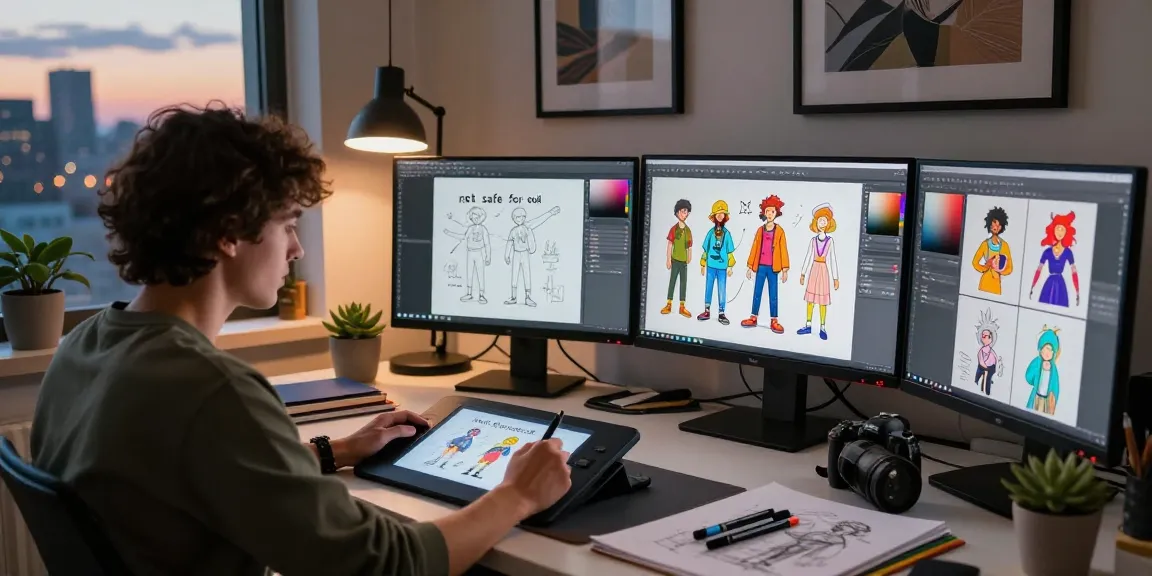
Visual aids play a crucial role in concept development. Tools like storyboards, mood boards, or infographics can help articulate and refine ideas. They not only facilitate discussion but also allow teams to visualize the potential impact of their concepts visually. By presenting ideas graphically, team members can better understand complex concepts, fostering a more imaginative development process.
Case Studies in Creative Concept Development
Successful Examples from Various Industries
Numerous industries have successfully harnessed creative concept development. For instance, in the technology sector, the launch of a new smartphone often begins with a distinct concept that outlines user experience and innovation. This initial concept guides everything from marketing strategies to product design, illustrating the power of thorough concept development in creating cohesive brand narratives.
Lessons Learned from Failed Concepts
Failure can be a potent teacher in creative concept development. Analysis of failed projects often reveals that insufficient market research or lack of clarity can lead to misalignment with audience needs. Learning from these failures is crucial, as they provide insights into what pitfalls to avoid in future projects. Understanding these aspects can enable teams to refine their processes and enhance their success rates.
Analyzing the Impact of Concepts on Projects
The impact of well-developed concepts on projects can be profound. Metrics such as engagement, sales, and brand awareness can often be traced back to strong creative concepts. By establishing clear performance indicators before launching a project, organizations can assess how effectively their concepts resonate with audiences, allowing for responsive adjustments in strategy as needed.
Measuring the Success of Creative Concept Development
Performance Metrics to Consider
To assess the success of creative concept development, various performance metrics should be considered. Quantitative metrics may include sales figures, user engagement rates, and audience reach. Qualitative evaluations, such as customer satisfaction surveys or brand perception studies, provide deeper insights into how well the concept resonates with its intended audience. Tracking these metrics allows teams to gauge effectiveness and adjust their strategies accordingly.
Feedback Loops for Improvement
Creating feedback loops ensures continuous improvement throughout the creative concept development process. By regularly soliciting feedback from stakeholders and audience members, teams can identify areas for enhancement. This iterative process refines concepts over time, increasing the likelihood of success in final implementations.
Presenting Concepts to Stakeholders
Effectively presenting concepts to stakeholders is essential for garnering support and resources. Clear communication, accompanied by visual aids and relevant metrics, can persuasively convey the value of the proposed concept. Tailoring presentations to address stakeholders’ specific concerns can significantly enhance buy-in, ensuring that project development proceeds smoothly.
Frequently Asked Questions
What is creative concept development?
Creative concept development is the process of transforming an idea into a structured framework that guides various creative projects, ensuring clarity and alignment with objectives.
Why is collaboration important in concept development?
Collaboration enhances idea quality by incorporating diverse perspectives, fostering innovation, and refining concepts collectively for better outcomes.
How can I measure the success of my concepts?
Success can be measured using performance metrics like audience engagement, sales figures, and qualitative feedback from users or stakeholders.
What tools can assist in creative concept development?
Digital tools like Trello and Miro facilitate collaboration, while traditional methods like brainstorming sessions encourage creativity and idea generation.
What common mistakes should I avoid during development?
Avoid assumptions about audience needs, failing to iterate based on feedback, and neglecting collaboration, as these can lead to ineffective concepts.