
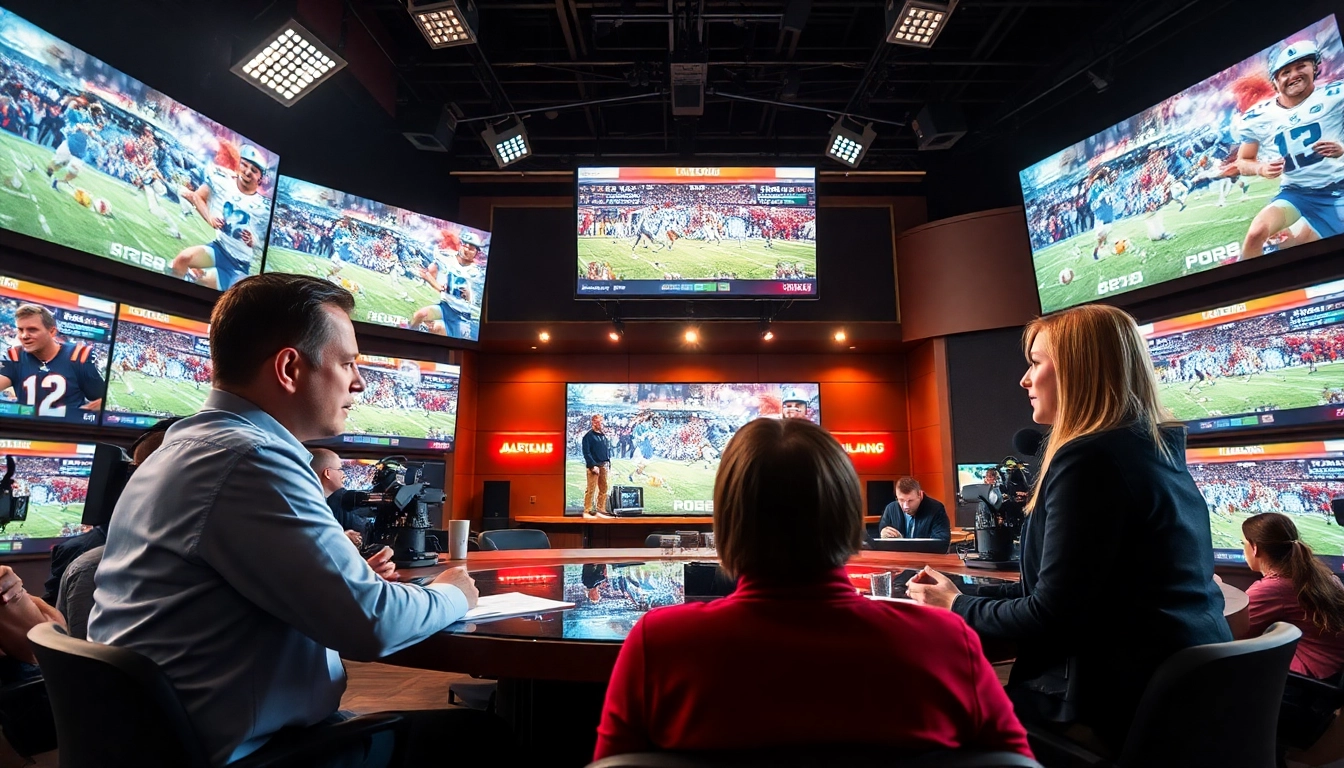
Understanding Sports Broadcasting Fundamentals
Sports Broadcasting is an integral part of modern media, encompassing the live or recorded transmission of sporting events across various platforms including television, radio, and online. With the rise of digital technology, the landscape of Sports Broadcasting continues to evolve, presenting new opportunities for engagement and innovation.
The Role of Sports Broadcasting in Media
Sports broadcasting serves multiple roles within media. Primarily, it acts as a bridge connecting fans to their favorite sports and athletes. It provides entertainment while also delivering critical information about athletic events. Additionally, sports broadcasting contributes to the economy, generating revenue through advertising and sponsorship deals. It captures sports events as shared experiences, allowing millions to watch the drama unfold, fostering community connections among fans.
Essential Equipment for Sports Broadcasting
The quality of a broadcast heavily relies on the equipment utilized. Essential tools include:
- Cameras: High-definition cameras are fundamental, often equipped with robotic features for dynamic angles.
- Microphones: Quality microphones capture commentary and ambient sounds, crucial for a rich viewer experience.
- Broadcasting Software: Applications that allow for live streaming, graphics integration, and real-time data display.
- Teleprompters: These help presenters deliver scripted content seamlessly during transmissions.
- Audio Control Systems: Essential for managing sound levels and ensuring clarity during broadcasts.
Types of Sports Broadcasting: Live vs. Recorded
Broadcasting can be categorized into live and recorded formats. Live broadcasts provide real-time experiences that captivate audiences, benefiting from the immediacy of sports events. Conversely, recorded broadcasts offer flexibility, allowing viewers to access content at their convenience. Each format presents unique challenges, especially concerning viewer engagement and the delivery of commentary and analysis.
Key Skills for Successful Sports Broadcasters
To thrive in the highly competitive field of sports broadcasting, several skills are crucial for success:
Communication Techniques in Sports Broadcasting
Effective communication is at the heart of sports broadcasting. Broadcasters must convey complex sports information clearly and engagingly. Techniques include using a conversational tone, utilizing storytelling elements, and effectively engaging with audience reactions during live broadcasts. A strong delivery can elevate the viewing experience, making it more enjoyable and informative.
Researching Sports Events Effectively
Thorough research is vital for broadcasters. Understanding the teams, players, and historical context enhances commentary. Broadcasters should gather statistics, player backgrounds, and insights about the specific event to provide richer content. Preparing notes and rehearsing scripts before events ensures fluid communication and the ability to adapt to live action.
Managing On-Air Relationships
Broadcasters often work as part of a team, collaborating with producers, analysts, and commentators. Building healthy working relationships is critical. This involves open communication, respecting each other's roles, and leveraging each member’s strengths. The chemistry seen on-air comes from behind-the-scenes collaboration and understanding.
Innovative Strategies in Sports Broadcasting
As the media landscape evolves, broadcasters must adapt innovative strategies to stay relevant and engaging:
Utilizing Social Media for Enhanced Engagement
Social media has transformed audience interactions with sports broadcasting. Broadcasters can use platforms like Twitter and Instagram to share highlights, behind-the-scenes content, and engage with fans directly. This interaction fosters a sense of community among viewers and enhances the overall experience, encouraging more people to tune in during live events.
Incorporating Data Analytics in Sports Broadcasting
Data analytics play a crucial role in enhancing broadcast content. Utilizing metrics and statistics provides viewers with insights that deepen their understanding of the game. Broadcasters can present performance analyses, predictive metrics, and in-game statistics in a compelling visual format to enrich viewer experience and engagement.
Interactive Broadcasting Techniques
Interactive features, such as live polls, Q&A sessions, and audience participation, can significantly heighten viewer engagement. Incorporating technology that allows viewers to interact during broadcasts fosters a two-way communication channel and helps audiences feel a part of the live sports experience.
Challenges in Sports Broadcasting
While sports broadcasting presents exciting opportunities, it also comes with its unique set of challenges:
Adapting to Rapid Changes in Technology
The broadcasting industry is in a constant state of flux, especially with technological advancements like 4K broadcasting, augmented reality, and drone footage. Staying updated and embracing these changes is critical for broadcasters to remain competitive. Training and investment in the latest technologies can help broadcasters provide high-quality viewing experiences.
Handling Controversies and Criticisms
Controversies in sports are inevitable, and broadcasters must navigate them with care. This involves transparent communication, sensitivity to different perspectives, and a willingness to discuss difficult subjects. Broadcasters must ensure they ride the fine line between analysis and sensationalism to maintain credibility.
Addressing Audience Engagement Issues
Maintaining audience engagement can be challenging, especially in a fast-paced digital environment. Broadcasters must continually innovate their approaches, utilizing audience feedback, and adapting content to meet viewer preferences. Understanding audience demographics and catering content accordingly can help enhance engagement levels.
Measuring Success in Sports Broadcasting
Success in sports broadcasting is quantified through various metrics, which provide concrete data on audience engagement and performance:
Key Performance Indicators for Sports Broadcasters
KPIs (Key Performance Indicators) include viewership ratings, social media engagements, and audience retention rates during broadcasts. These metrics allow broadcasters to evaluate the effectiveness of their content and identify areas for improvement. Setting benchmarks helps in assessing how well they're meeting their objectives.
Gathering and Analyzing Audience Feedback
Collecting and evaluating audience feedback is essential for ongoing improvement. Surveys, social media comments, and direct viewer interactions provide insights into what fans enjoy and dislike. This information can guide future broadcasts, ensuring they align with audience expectations and preferences.
Future Trends in Sports Broadcasting Metrics
The future of sports broadcasting metrics lies in real-time data analytics and enhanced viewer feedback mechanisms. Technologies like AI can analyze viewer behavior, providing insights that inform content creation strategies. This will help broadcasters stay ahead of trends and deliver tailored content that resonates with their audience.
FAQs about Sports Broadcasting
What is Sports Broadcasting?
Sports Broadcasting refers to the live or recorded transmission of sports events via television, radio, or online platforms to engage and inform audiences.
What equipment is essential for Sports Broadcasting?
Essential equipment includes cameras, microphones, broadcasting software, teleprompters, and audio control systems to ensure high-quality transmission.
How do broadcasters prepare for live sports events?
Broadcasters prepare by researching teams and players, creating scripts, and conducting rehearsals to enhance the viewing experience and ensure fluid communication.
What role does social media play in Sports Broadcasting?
Social media enhances audience interaction, increases reach, and allows broadcasters to engage real-time with fans, creating a dynamic viewing experience.
How do sports broadcasters measure their success?
Success is measured through viewership ratings, audience engagement metrics, and feedback from viewers, which helps refine broadcasting techniques.