Understanding the Importance of Pond Plants
Pond plants are not just beautiful additions to your water garden; they play a crucial role in maintaining the health and balance of the ecosystem within your pond. These aquatic plants offer numerous benefits, from enhancing water quality to providing essential habitats for wildlife. By incorporating a diverse range of plants, you can create a thriving aquatic environment that supports fish, amphibians, and beneficial microorganisms. When exploring options, Pond Plants provide comprehensive insights into selecting the right species for your needs.
Why Are Pond Plants Essential for Ecosystem Health?
Pond plants are foundational to the health of aquatic ecosystems. They help to stabilize sediment, reduce erosion, and improve water clarity by absorbing harmful nutrients that could otherwise fuel algae blooms. Oxygenating plants, such as hornwort and elodea, play a vital role in releasing oxygen into the water, which is essential for fish and other aquatic life. Additionally, they serve as natural filters, removing impurities and promoting a balanced environment.
Benefits of Diversifying Plant Types in Your Pond
Just like a well-balanced diet, a variety of pond plant types contributes to a healthier ecosystem. By incorporating oxygenators, marginal plants, and floating species, you create layers of habitat that cater to different aquatic organisms. Each plant type serves a unique purpose: oxygenators oxygenate the water, marginal plants provide shelter and habitat, and floating plants offer shade and stability. This diversity not only enhances the aesthetic appeal of your pond but also promotes a more resilient ecosystem that can withstand seasonal changes.
Common Misconceptions About Pond Plant Necessity
Many pond owners mistakenly believe that pond plants only serve decorative purposes. While aesthetics are important, the ecological functions of these plants are critical. Some may also think that a few plants are sufficient for maintaining a healthy pond; however, achieving the right balance often requires a thoughtful approach to planting and selection. Understanding the essential roles that different plants play can help dispel these myths and encourage better pond management practices.
Choosing the Right Pond Plants for Your Water Garden
The selection of pond plants is a foundational step in establishing a healthy water garden. With various types available, including floating, submerged, and emergent plants, it is essential to understand the characteristics and requirements of each category to create a thriving aquatic environment.
Types of Pond Plants: Oxygenators, Marginals, and More
There are four main categories of pond plants: oxygenating, marginal, floating, and deep-water plants.
- Oxygenating Plants: These are submerged plants that release oxygen during photosynthesis. Examples include hornwort and elodea, both crucial for maintaining oxygen levels in the water.
- Marginal Plants: Found around the edges of ponds, these plants help stabilize banks and provide habitat. Plants like irises and cattails are common choices.
- Floating Plants: These plants rest on the water's surface, with roots suspended in the water. Water lettuce and water hyacinth are popular for shading and reducing algae growth.
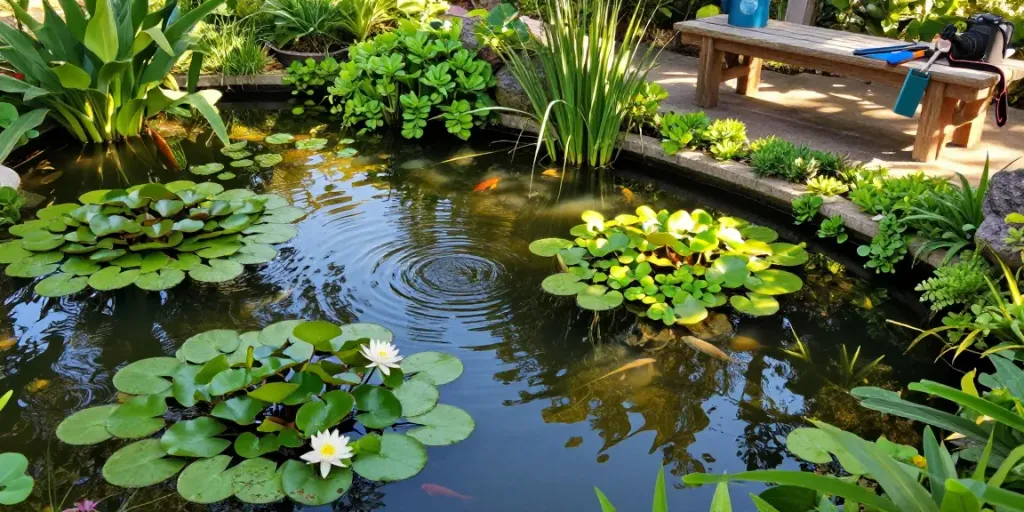
- Deep Water Plants: Typically anchored to the pond bottom, these plants—such as water lilies—extend their leaves to the surface, offering shade and visual interest.
Factors to Consider When Selecting Plants
When choosing plants for your pond, consider the following factors:
- Sunlight Exposure: Different plants have varying light requirements; ensure you select species suited to your pond's sunlight levels.
- Pond Depth: Consider the depth of your pond when selecting deep-water plants, as they may require specific planting depths.
- Climate Adaptability: Select plants that are well-suited to your local climate, particularly if you face seasonal changes.
- Fish Compatibility: If you have fish, especially koi, consider plants that can withstand nibbling and disturbances.
Best Practices for Plant Placement and Depth
Proper placement and depth are critical for the success of pond plants. Generally, oxygenating plants should be submerged at least a few feet below the surface, while marginal plants thrive in shallow water (typically 6 to 12 inches deep). Floating plants can be placed anywhere, but maintaining a balance of about 50% coverage can help manage algae and maintain a healthy ecosystem. Following these guidelines will ensure your plants thrive and contribute positively to your pond's health.
Maintenance Tips for Healthy Pond Plants
Regular maintenance is vital for keeping pond plants healthy and ensuring they fulfill their ecological roles. Understanding the seasonal needs of your plants can aid in avoiding common pitfalls and promote long-term growth.
Seasonal Care: What to Do in Spring, Summer, Fall, and Winter
Each season brings unique challenges and opportunities for your pond plants:
- Spring: This is a critical time for planting and re-establishing your plants after winter dormancy. Remove any dead foliage and consider fertilizing if needed.
- Summer: Monitor your plants for growth and health. You may need to trim overgrowth or divide plants that have become too large.
- Fall: Prepare your plants for winter by cutting back dead growth and possibly adding a protective layer of mulch for sensitive species.
- Winter: Many plants will die back, but their roots can continue to thrive beneath the surface. Ensure you remove any decaying matter to prevent water quality issues.
Signs Your Pond Plants Need Attention
Keeping an eye on your plants can help you catch problems early. Common signs include yellowing leaves, stunted growth, or overgrowth of algae. These can indicate nutrient deficiencies, over-crowding, or unsuitable growing conditions, so it's vital to take action swiftly.
Effective Techniques for Controlling Invasive Species
Invasive pond plants can disrupt the balance of your ecosystem and compete with native species. Regular monitoring and management strategies, such as physical removal or employing competitive planting techniques, can effectively mitigate these issues. Educating yourself about invasive species in your region will give you the tools to maintain a healthy pond environment.
Enhancing Wildlife Habitat with Pond Plants
Pond plants do not just beautify your water garden; they significantly enhance the habitat for wildlife, making your pond a sanctuary for various species.
Planting Strategies for Attracting Beneficial Wildlife
To create a conducive environment for wildlife, consider selecting a diverse range of native plants. These provide essential shelter, food, and breeding areas for amphibians, fish, and insects. Choosing plants that bloom at different times throughout the year will ensure a continuous food supply for pollinators and other wildlife.
Creating Shelter and Food Sources for Aquatic Life
Incorporating structures like rock piles, logs, or dense plantings can create habitats for fish and amphibians, providing their essential shelter from predators. Furthermore, flowering plants can attract pollinators, beneficial insects, and birds, increasing the biodiversity in and around your pond.
Role of Pond Plants in Supporting Biodiversity
Pond plants play a crucial role in supporting biodiversities, such as fostering the growth of beneficial microorganisms and creating a balanced ecosystem. By maintaining healthy plant populations, you contribute to the overall health of your pond, which can also benefit the surrounding landscapes and ecosystems.
Future Trends in Pond Planting for 2026 and Beyond
As our understanding of ecosystems evolves, so too will our approaches to pond planting. Innovations and sustainable methods are continually being developed to enhance pond health and aesthetics.
Innovative Approaches to Sustainable Pond Gardening
Future trends may include using native plant species that require less maintenance and are more resistant to local pests. Integrating technology into pond management, such as automated monitoring systems for water quality, can further enhance the sustainability of your aquatic garden.
Emerging Plant Varieties to Watch For
With ongoing research and breeding programs, new plant varieties may offer improved resilience to climate changes and pest pressures. Keeping an eye on emerging species can provide you with the latest choices for biodiversity and aesthetics in your pond.
Adapting to Climate Change: Choosing Resilient Plants
As climate change continues to impact environments globally, selecting plants that can withstand extreme weather conditions will be crucial. Researching and investing in resilient plant varieties can help future-proof your pond and maintain its health despite changing conditions.
What are the best plants to put in a pond?
The best plants often include a mix of oxygenators, marginals, floating plants, and deep water plants. Each type fulfills a unique ecological role, contributing to the overall health of the pond.
What plants will keep a pond clean?
Oxygenating plants are particularly effective at keeping water clean by absorbing excess nutrients and competing with algae. Adding a variety of plants can further bolster your pond's natural filtration capabilities.
What are pond plants called?
Pond plants can broadly be categorized as submerged, emergent, and floating plants, with specific species falling under each category.
What are some good water plants for outdoor ponds?
Some excellent choices for outdoor ponds include water lilies for their stunning flowers and shade, hornwort for oxygenation, and irises for their vibrant colors and marginal support.
How many pond plants do I need for effective coverage?
As a rule of thumb, around 50% to 70% of the pond's surface should be covered by plants to balance sunlight, reduce algae growth, and maintain water quality. However, the specific number will depend on the size and depth of your pond.