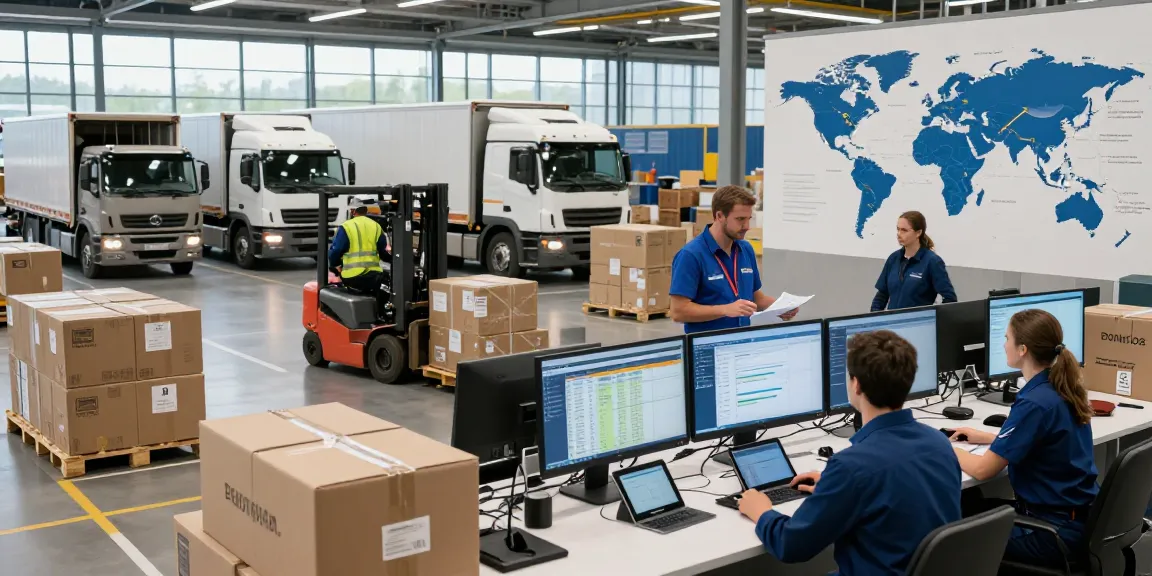
What is Logistics? Defining Key Concepts
Logistics is a critical component of supply chain management, encompassing the planning, implementation, and control of the efficient flow of goods, services, and related information from the point of origin to the point of consumption. In today's interconnected world, understanding logistics is essential for businesses seeking to optimize operation and enhance customer satisfaction. By effectively managing logistics, companies can respond quickly to market changes, meet consumer demands, and minimize operational costs. For a deeper dive into logistics concepts and practices, Logistics provides valuable insights and solutions.
Understanding Supply Chain Basics
At its core, supply chain management involves a network of entities that includes suppliers, manufacturers, distributors, retailers, and customers. Logistics is the mechanism by which the physical movement of goods and services occurs within this network. It encompasses various activities, from procurement and transportation to warehousing and inventory management. The objective is to ensure the timely delivery of products while reducing costs and maintaining high standards of service.
Types of Logistics: An Overview
Logistics can be broadly categorized into several types, each playing a unique role in successfully executing the supply chain. Some key types include:
- Inbound Logistics: Focused on the transportation and storage of raw materials from suppliers to manufacturing facilities.
- Outbound Logistics: Involves the distribution of finished products from manufacturers to warehouses and end consumers.
- Third-Party Logistics (3PL): Refers to outsourcing logistics and supply chain management processes to third-party providers who specialize in these services.
- Reverse Logistics: Managerial processes that handle returned goods, including product recalls, recycling, and waste disposal.
The Importance of Effective Logistics Management
Businesses today are increasingly recognizing the importance of effective logistics management. Proper logistics practices can lead to substantial improvements in various areas:
- Cost Efficiency: Streamlined logistics processes reduce operational costs by optimizing transportation routes, inventory levels, and warehousing expenses.
- Customer Satisfaction: Efficient logistics ensure that products reach customers on time, contributing to a positive shopping experience and fostering repeat business.
- Competitive Advantage: Businesses that master logistics management can respond quicker to market demands and changes, giving them an edge over competitors.
- Risk Management: An effective logistics strategy helps identify potential threats and prepares businesses to navigate disruptions, be they natural disasters or supplier failures.
Logistics Strategies for Businesses
Streamlining Operations: Best Practices
To enhance logistics efficiency, organizations can adopt various best practices that optimize operations:
- Implementing a Robust Inventory Management System: Accurate tracking of inventory levels helps prevent excess stock or stockouts. Automated systems can provide real-time data on inventory status.
- Utilizing Transportation Management Systems (TMS): TMS platforms streamline shipping processes by optimizing carrier selection, route planning, and tracking shipments.
- Adopting a Lean Approach: Lean logistics focuses on reducing waste within the logistics process, ensuring that only value-adding activities are pursued.
- Enhancing Collaboration: Building strong relationships with suppliers, carriers, and other partners fosters collaboration, leading to improved service delivery and reduced costs.
Technology in Logistics: Innovations and Trends
The logistics sector is continuously evolving, with technology playing a pivotal role in transforming operations. Some notable innovations include:
- Artificial Intelligence (AI) and Machine Learning: AI algorithms can predict demand fluctuations, optimize inventory management, and improve routing efficiency.
- Blockchain Technology: This technology enhances transparency and traceability in supply chains by providing secure and immutable transaction records.
- Internet of Things (IoT): IoT devices collect and transmit data regarding the location and condition of goods, allowing for real-time monitoring and improved decision-making.
- Autonomous Vehicles: The rise of self-driving trucks and drones can significantly change last-mile delivery logistics, cutting transportation costs and expediting delivery times.
Measuring Logistics Performance: Key Metrics
To assess the effectiveness of logistics strategies, businesses must regularly measure performance through key metrics, such as:
- On-Time Delivery Rate: Measures the percentage of orders delivered on or before the promised date.
- Order Accuracy: Evaluates the correctness of order fulfillment, ensuring customers receive the right products.
- Inventory Turnover Rate: Indicates how quickly inventory is sold and replaced over a specific period, reflecting demand levels and inventory management efficacy.
- Transportation Costs per Unit: Helps ascertain the costs associated with transporting each unit, aiding in identifying inefficiencies in the logistics chain.
Challenges in the Logistics Industry
Addressing Supply Chain Disruptions
Supply chain disruptions can arise from various factors, including natural disasters, political instability, or sudden spikes in demand. Responding to these challenges requires:
- Developing Contingency Plans: Businesses should have backup plans for sourcing and distribution to mitigate disruptions.
- Investing in Supply Chain Visibility Tools: Enhanced visibility allows businesses to respond proactively to potential disruptions by monitoring supply chain conditions in real-time.
- Fostering Supplier Relationships: Strong partnerships with suppliers can facilitate better communication during crises, ensuring swift adjustments are made to accommodate sudden changes.
Cost Management in Logistics
Cost control remains a pressing challenge for logistics managers. Strategies to manage logistics costs effectively include:
- Regularly Auditing Expenses: Conducting systematic reviews of logistics costs enables the identification of unnecessary expenditures which can be trimmed.
- Utilizing Data Analytics: Data-driven insights can reveal trends and foster informed decisions regarding optimal inventory levels, shipment methods, and route planning.
- Negotiating Contracts: Constructive negotiations with carriers and suppliers can lead to better pricing and terms throughout the logistics chain.
Environmental Considerations in Logistics
As businesses become more aware of their environmental impact, logistics operations are exploring ways to reduce their carbon footprint:
- Implementing Sustainable Practices: Adopting eco-friendly transportation methods, such as electric vehicles and optimizing delivery routes, can significantly reduce emissions.
- Minimizing Waste: Efficient management of packaging materials and promoting recycling initiatives within the logistics process can help businesses adopt a greener profile.
- Utilizing Green Certifications: Embracing certifications like ISO 14001 can signify a commitment to maintaining environmentally responsible operations and attract eco-conscious consumers.
Real-World Logistics Applications
Case Studies: Successful Logistics Models
Examining successful logistics models provides valuable lessons for other businesses. A few noteworthy case studies include:
- Amazon: Integrated Supply Chain: Amazon utilizes sophisticated technologies, including AI and automation, to manage its vast logistics network, achieving remarkable efficiency in order fulfillment.
- Walmart: Cross-Docking: Walmart employs a cross-docking strategy to minimize storage costs and streamline inventory management, allowing products to move quickly from suppliers to retail stores.
- Maersk: Digital Transformation: The shipping giant Maersk has embraced digital solutions to enhance supply chain visibility and optimize shipping routes through real-time data.
Logistics in E-commerce: Meeting Consumer Demands
The rise of e-commerce has dramatically changed customer expectations regarding logistics. To meet these demands, businesses must focus on:
- Fast and Accurate Deliveries: Offering same-day or next-day delivery options has become crucial for customer retention in the competitive e-commerce landscape.
- Easy Returns Management: A streamlined return process builds trust and enhances customer satisfaction. Effective reverse logistics strategies can accommodate returns efficiently.
- Flexible Shipping Options: Providing various shipping options empowers customers to choose their delivery preferences based on urgency and cost.
The Role of Third-Party Logistics Providers
Third-party logistics (3PL) providers have gained popularity among businesses looking to enhance their logistics capabilities without substantial capital investment. Collaborating with 3PL providers offers several benefits:
- Access to Expertise: 3PL providers possess specialized knowledge and experience, enabling businesses to implement best practices in logistics.
- Scalability: Companies can easily scale their logistics operations up or down in response to changing market conditions without the burden of managing physical assets.
- Cost Reductions: The economies of scale associated with 3PL services often lead to lower transportation and warehousing costs than managing logistics in-house.
The Future of Logistics
Emerging Technologies Shaping the Industry
Technological advancements are pivotal in shaping the future landscape of logistics. Key emerging technologies include:
- Drone Deliveries: Drones are anticipated to revolutionize last-mile deliveries, particularly in urban areas, offering faster solutions with reduced human resource requirements.
- Warehouse Robotics: Robotic systems are increasingly being employed to automate repetitive tasks within warehouses, improving efficiency and accuracy in order fulfillment.
- Cloud Computing: Cloud-based logistics platforms enable businesses to integrate their operations seamlessly, fostering collaboration and data sharing across the supply chain.
Predictive Analytics and AI in Logistics
Predictive analytics leveraged by AI is transforming how companies approach logistics management. These technologies allow businesses to:
- Anticipate Demand: AI-driven models can predict future demand patterns, enabling better inventory management and reducing stockouts.
- Optimize Supply Chain Networks: Predictive analytics can identify the most efficient supply chain routes and methods, reducing operational costs.
- Enhance Customer Service: Understanding consumer behavior allows businesses to tailor services better, ensuring customer satisfaction while optimizing logistics processes.
Career Opportunities in Logistics Management
The dynamic nature of logistics creates a range of career opportunities for professionals interested in supply chain management. Key roles include:
- Logistics Analyst: Focuses on analyzing logistics data and providing actionable insights for operational improvements.
- Supply Chain Manager: Oversees the entire supply chain process, from procurement to distribution, ensuring alignment with business goals.
- Warehouse Manager: Responsible for managing warehouse operations, including inventory control, staffing, and maintaining safety standards.
- Transportation Manager: Manages transportation operations, optimizing routes and collaborating with carriers to ensure timely deliveries.