
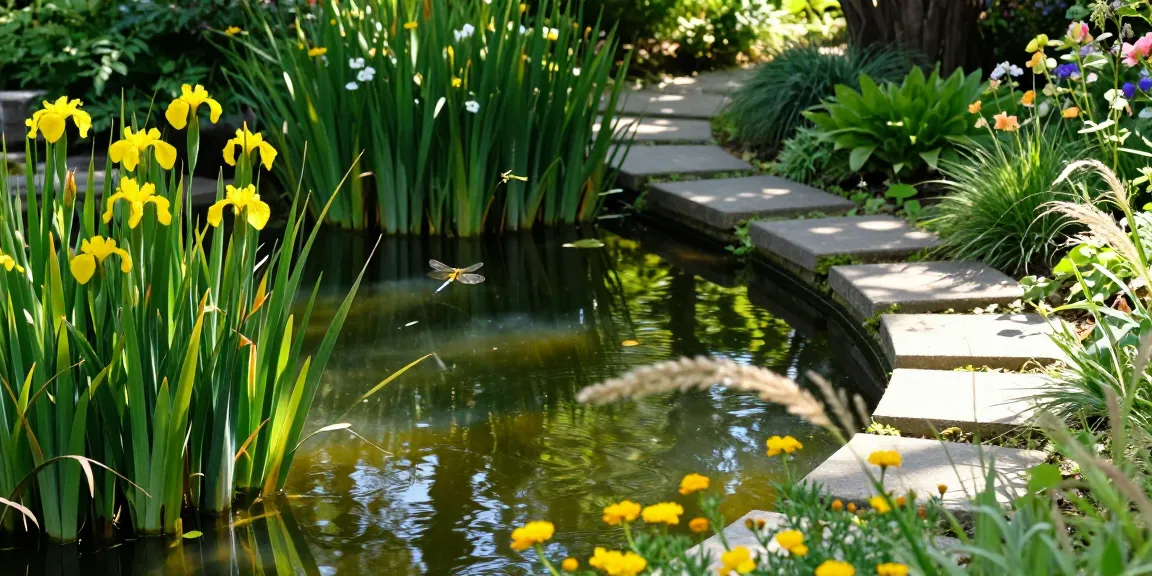
Understanding Marginal Pond Plants
Marginal pond plants play a crucial role in the ecosystem of aquatic gardens and water features, providing essential habitat and aesthetic beauty. By definition, these plants grow in shallow water at the edges of ponds, lakes, and streams, creating a transitional zone between land and water. They are not only visually appealing but also functionally significant, contributing to the overall health of the aquatic environment. When exploring options, Marginal Pond Plants can provide comprehensive insights into the best species for your garden.
What Are Marginal Pond Plants?
Marginal pond plants are species that thrive in wet soil at the water’s edge. Unlike submerged or floating plants, these plants are rooted in the ground but may have parts that extend into the water. This category includes a diverse array of flora, such as sedges, rushes, and various flowering plants. Their growth typically varies with water levels, making them adaptable to environmental changes.
Ecological Importance of Marginal Pond Plants
These plants are vital for several ecological reasons:
- Habitat Creation: They provide shelter and breeding grounds for aquatic wildlife including frogs, fish, and insects.
- Water Quality Improvement: By absorbing excess nutrients and filtering pollutants, they help maintain healthy water quality.
- Erosion Control: Their root systems stabilize soil along the water’s edge, reducing erosion and sedimentation.
- Biodiversity Enhancement: Marginal plants attract various species, increasing biodiversity and creating vibrant ecosystems.
Common Types of Marginal Pond Plants
Several species are commonly found in pond margins, each with its unique characteristics:
- Pickerel Rush (Pontederia cordata): Known for its striking blue-purple flowers, this plant thrives in shallow waters.
- Blue Flag Iris (Iris versicolor): This native iris offers vibrant blooms and attractive foliage, enhancing the pond’s appeal.
- Marsh Marigold (Caltha palustris): Recognizable by its bright yellow flowers, the marsh marigold is one of the earliest bloomers in spring.
- Water Mint (Mentha aquatica): Its aromatic leaves are beneficial for wildlife and add a pleasant fragrance to the garden.
Choosing the Right Marginal Pond Plants for Your Garden
Selecting the appropriate marginal pond plants can seem daunting given the numerous species available. However, careful consideration of several factors can streamline the process and optimize your garden’s aquatic ecosystem.
Factors to Consider When Selecting Plants
When choosing marginal plants, consider the following:
- Water Depth: Different plants have varying water depth requirements, so assess the specific conditions of your pond.
- Sun Exposure: Ensure the plants you choose are suited for the amount of sunlight your pond receives.
- Soil Type: Marginal plants prefer moist, well-draining soils, so understand your soil’s characteristics.
- Climate and Hardiness Zones: Opt for plants that are well-adapted to your local climate to ensure successful growth.
Best Practices for Planting Marginal Plants
To establish healthy and thriving marginal plants in your pond:
- Prepare the planting area by removing weeds and debris.
- Ensure the planting depth is suitable for the selected species.
- Space plants adequately to prevent overcrowding, which can hinder growth.
- Use aquatic soil mixes that retain moisture but also facilitate drainage.
Seasonal Considerations for Marginal Plants
Understanding seasonal changes is vital for the care of marginal plants. In spring, focus on planting and establishing new plants. During summer, regular maintenance including watering and fertilization is important. In the fall, cut back excess growth to prepare plants for winter dormancy. Finally, in winter, protect sensitive species from freezing temperatures by adding mulch around their bases.
Maintaining Your Marginal Pond Plants
Successful maintenance helps marginal plants flourish throughout the year, contributing to a healthy pond ecosystem.
Water Quality and Its Impact on Growth
Maintaining optimal water quality is pivotal for the health of marginal pond plants. Key aspects include:
- pH Levels: Most marginal plants thrive in slightly acidic to neutral water, with a pH range of 6.5 to 7.5.
- Nutrient Balance: Over-fertilization can lead to algal blooms; thus, monitoring nutrient levels is essential.
- Temperature: Ensure water temperatures are within suitable ranges for the plants and the fauna they support.
Pruning and Care Techniques
Regular pruning helps manage growth and promotes healthy blooms. Techniques include:
- Trimming back dead or damaged leaves to encourage new growth.
- Controlling invasive species to prevent them from overshadowing marginal plants.
- Replanting or dividing overcrowded plants every few years to maintain vigor.
Common Pests and How to Handle Them
Pond ecosystems can attract pests which may threaten your marginal plants. Common pests include:
- Aphids: Small but damaging, these can be controlled with insecticidal soap.
- Snails and Slugs: Manual removal or using copper tape can help keep them away from plants.
- Leafhoppers: These pests can be deterred with natural predators such as ladybugs.
Creating a Balanced Ecosystem with Marginal Plants
Integrating marginal pond plants into your garden can significantly impact the ecological balance of your water feature.
Coexisting with Aquatic Wildlife
Marginal plants provide critical habitat for various aquatic and terrestrial wildlife. By including a range of species, you can support a more diverse ecosystem. For example, frogs may use the cover of sedges for breeding, while dragonflies benefit from open areas near sunlit plants.
Enhancing Biodiversity in Your Pond
The presence of diverse marginal plants attracts a variety of wildlife, from beneficial insects to birds. The more species you introduce, the greater the potential for biodiversity. Consider planting a mix of flowering species and grasses to create diverse habitats.
Using Marginal Plants for Natural Filtration
One of the most significant benefits of marginal pond plants is their ability to help filter water. Their root systems take up nutrients and pollutants, resulting in cleaner water for fish and other aquatic life. Incorporating a well-planned selection of marginal plants can aid in natural water filtration systems.
Future Trends in Pond Gardening
As we look to the future, the pond gardening landscape is evolving with new trends and technologies that make it easier to maintain healthy ecosystems.
Innovative Techniques for Sustainable Gardening
Many gardeners are now adopting sustainable practices, such as using rainwater harvesting to water plants and implementing composting to create nutritious soil. Additionally, using native plants not only conserves water but also supports local wildlife.
Emerging Plant Varieties for 2026 and Beyond
Stay on the lookout for exciting new cultivars that may emerge. Breeders are increasingly focusing on creating varieties that are more resilient to climate change, pest-resistant, and visually stunning. This includes hybrids that adapt well to varying moisture levels in ponds.
The Role of Technology in Pond Management
Advancements in technology are revolutionizing pond management. Smart sensors for monitoring water quality, automated watering systems, and apps that provide gardening tips are gaining popularity, making it easier to maintain a healthy pond ecosystem.
What are the benefits of using marginal pond plants?
Marginal pond plants provide numerous benefits, including improving water quality, enhancing biodiversity, and stabilizing shorelines to prevent erosion.
How do I care for marginal pond plants throughout the year?
Caring for marginal plants involves monitoring water quality, seasonal pruning, and ensuring they are not overcrowded or infested with pests.
Can marginal pond plants attract wildlife to my garden?
Yes, marginal pond plants create habitats that attract various wildlife, including birds, amphibians, and beneficial insects.
What are the best marginal plants for small ponds?
For small ponds, consider species like Dwarf Cattail and Japanese Iris, which thrive in limited space while still providing ecological benefits.
Are there any risks associated with marginal pond plants?
While marginal plants are generally beneficial, some non-native species can become invasive and disrupt the local ecosystem; therefore, choosing native options is always recommended.