Understanding Marginal Pond Plants
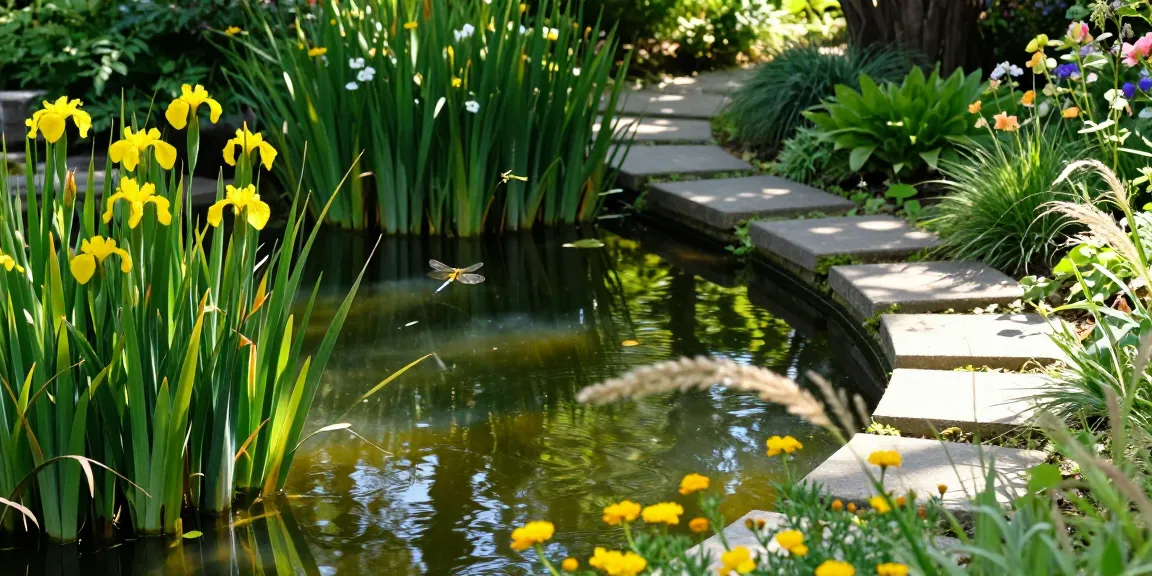
Marginal pond plants play a crucial role in creating and maintaining healthy aquatic ecosystems. These plants typically grow at the edges of ponds, lakes, and wetlands, where they thrive in shallow water. They are not only aesthetically pleasing but also vital for biodiversity and the overall health of the aquatic environment. When exploring options, Marginal Pond Plants provide comprehensive insights that can help you create a vibrant water garden.
What Are Marginal Pond Plants?
Marginal pond plants are a group of aquatic vegetation that typically grow in the shallow waters or saturated soils around the margins of a pond or lake. These plants enjoy wet feet and are adapted to fluctuating water levels, making them ideal for the edges of water bodies. They can be annual or perennial, and they often provide necessary cover and nutrition for various wildlife. Examples include species such as cattails, rushes, and various types of sedges.
Benefits of Incorporating Marginal Plants in Your Pond
- Biodiversity Enhancement: Marginal pond plants support a variety of wildlife, providing habitat and food for birds, amphibians, and insects.
- Erosion Control: Their root systems help stabilize the soil, reducing erosion and improving water clarity.
- Nutrient Filtration: These plants absorb excess nutrients, thereby mitigating algae blooms and improving overall water quality.
- Aesthetic Appeal: They add visual interest and soften the edges of your pond, creating a more natural look.
Common Types of Marginal Pond Plants
Among the most popular marginal pond plants are:
- Cattails (Typha spp.): Known for their tall, distinctive brown flower spikes, cattails are excellent for wildlife habitats.
- Soft Rush (Juncus effusus): With its rounded stems and dense growth, soft rush provides cover for frogs and other small creatures.
- Pickerelweed (Pontederia cordata): This plant features beautiful blue flowers and is a favorite of pollinators.
- Marsh Marigold (Caltha palustris): A bright yellow spring bloomer, marsh marigold adds vibrant color to wet areas.
Choosing the Right Marginal Pond Plants for Your Garden
When selecting marginal pond plants, it’s essential to consider your garden’s specific conditions, including light availability, water depth, and soil type. Understanding your environmental conditions will greatly influence your plant choices and their success in your pond.
Factors to Consider When Selecting Plants
- Sunlight: Assess the amount of sunlight your pond receives daily. Some plants thrive in full sun, while others prefer shade.
- Water Depth: Different plants require varying depths of water; ensure you choose species that match your pond’s characteristics.
- Soil Type: Investigate whether your pond area has clay, sand, or loamy soil, as this can affect plant growth.
Best Practices for Plant Placement
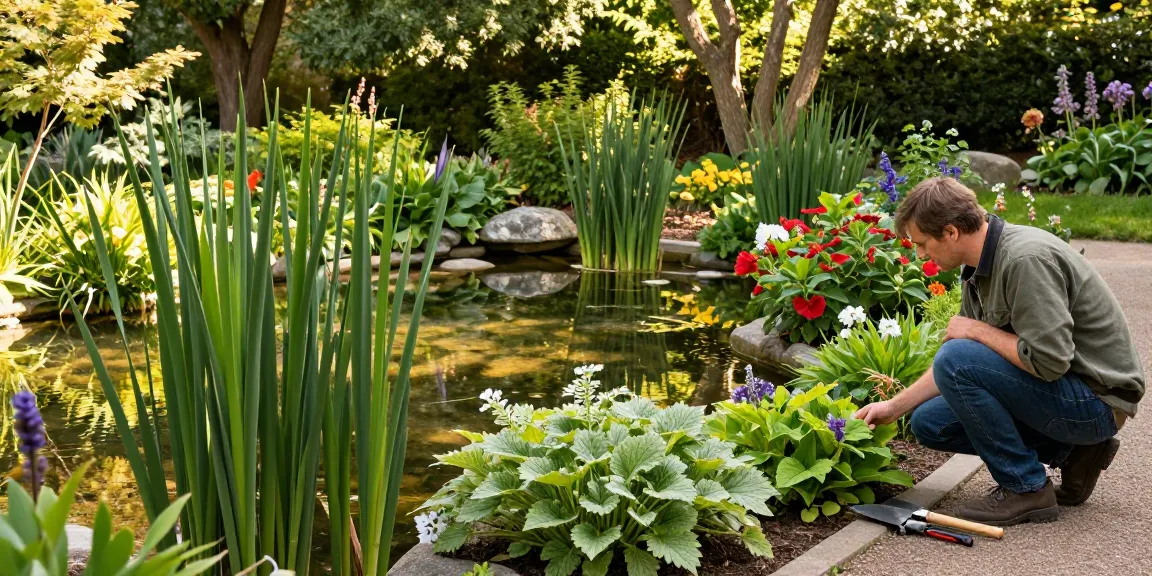
To maximize the benefits of your marginal plants, proper placement is crucial. Here are some tips for effective planting:
- Layering: Arrange taller plants towards the back and shorter plants closer to the water’s edge for an appealing visual effect.
- Spacing: Ensure adequate space between plants to allow for growth and air circulation.
- Natural Clusters: Grouping plants in clusters mimics natural growth patterns and enhances aesthetics.
Seasonal Considerations for Planting
Timing your plantings appropriately can influence their success. Generally, spring is the best season to plant marginal pond plants, as they can establish themselves before the summer heat. However, some plants may also be planted in the fall, allowing them to become established before winter.
Maintaining Healthy Marginal Pond Plants
Regular maintenance is essential for ensuring the health and vitality of your marginal pond plants. A proactive approach can help prevent issues that might jeopardize plant growth.
Water Quality Management for Pond Plants
Maintaining high water quality is crucial for the growth of marginal plants. Testing your pond’s pH, nutrient levels, and cleanliness can help identify potential problems before they escalate. Regular monitoring can prevent algae outbreaks and ensure that your plants thrive.
Pest and Disease Control
Be vigilant about potential pests and diseases that may affect your marginal plants. Common issues include aphids and fungal infections. Introducing natural predators, such as ladybugs, can help manage pest populations effectively.
Seasonal Care Tips for Marginal Plants
- Spring: Remove debris and dead foliage to encourage new growth.
- Summer: Monitor water levels and adjust as necessary, especially during dry spells.
- Fall: Trim back spent foliage to prepare for winter.
- Winter: In colder climates, consider insulating sensitive plants with mulch or moving them to a more sheltered location.
Enhancing Aesthetics with Marginal Pond Plants
Marginal pond plants do more than serve functional roles; they enhance the visual appeal of your water garden, creating a beautiful and harmonious ecosystem.
Designing a Visual Harmony with Other Plants
Integrating marginal plants with other aquatic and terrestrial species can create a seamless transition between water and land. Consider using a mix of flowering plants and foliage for year-round interest.
The Role of Marginal Plants in Ecosystem Health
Marginal plants are essential in providing habitat and food sources for aquatic organisms. They help stabilize the ecosystem by filtering pollutants and providing oxygen, thus contributing to the overall health of the water body.
Creating Wildlife-Friendly Environments
- Habitat Creation: Planting a variety of marginal plants encourages diverse wildlife.
- Food Sources: Many marginal plants produce seeds or nectar that attract birds and beneficial insects.
- Breeding Grounds: The dense growth provides safe areas for amphibians and other wildlife to breed.
Future of Marginal Pond Plants in 2026
Looking ahead, trends in pond gardening and plant choices are expected to evolve, influenced by environmental awareness and the need for sustainability.
Trends in Pond Gardening and Plant Choices
As awareness of ecological issues grows, more gardeners are opting for native marginal plants that thrive in local conditions. These plants evolve with the local ecosystem, promoting biodiversity and reducing water consumption.
Innovative Techniques for Plant Sustainability
New gardening techniques, such as water-efficient landscaping and integrated pest management, are gaining popularity. These methods not only enhance the growth of marginal plants but also contribute to a healthier ecosystem.
Predictions for Eco-Friendly Practices in Water Gardens
By 2026, there is likely to be a substantial shift towards eco-friendly practices in water gardening, emphasizing organic fertilization, natural pest control, and the integration of technology to monitor plant health.
How to Plan for Future Changes in Pond Ecosystems
To adapt to changing environmental conditions, it’s essential to remain flexible in plant choices and management strategies. Regular assessment of plant performance and adjustments to care practices will ensure a resilient pond ecosystem.